

Arafta Episode 1 Review: A Forced Marriage, A Hidden Bullet, and the Beginning of a 187-Day War

Arafta Episode 1 Review: A Forced Marriage, A Hidden Bullet, and the Beginning of a 187-Day War

Introduction

Arafta Episode 1 Review: A Forced Marriage begins like a family drama, but it quickly turns into a brutal emotional battlefield. What starts with a calculated marriage arrangement becomes a story of revenge, humiliation, buried secrets, and survival. The episode places Mercan and Ateş at the center of a cruel bargain tied to debt, power, and old wounds, then builds their conflict step by step until it explodes into violence. By the end, the episode delivers one of its most striking images: a wedding that feels less like a union and more like the formal beginning of a war.

Series Overview

Arafta opens with a world shaped by control, family pride, financial collapse, and personal trauma. Ateş Karahan is determined, cold, and impossible to read. Mercan Yıldırım is cornered by circumstances, yet she refuses to surrender her dignity. Around them stand two families filled with anger, fear, and unfinished business.

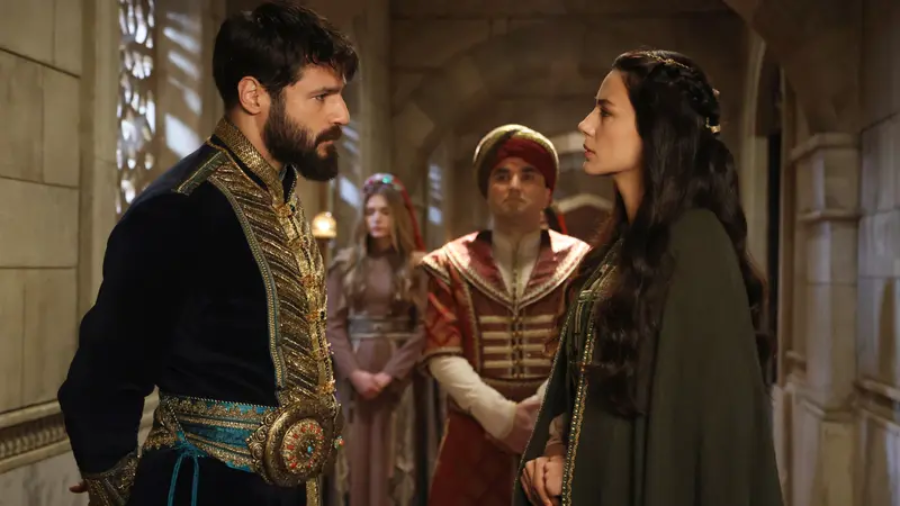
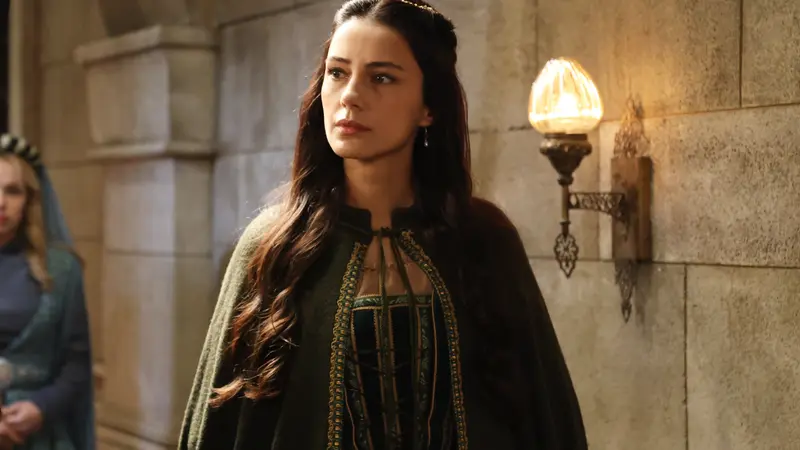
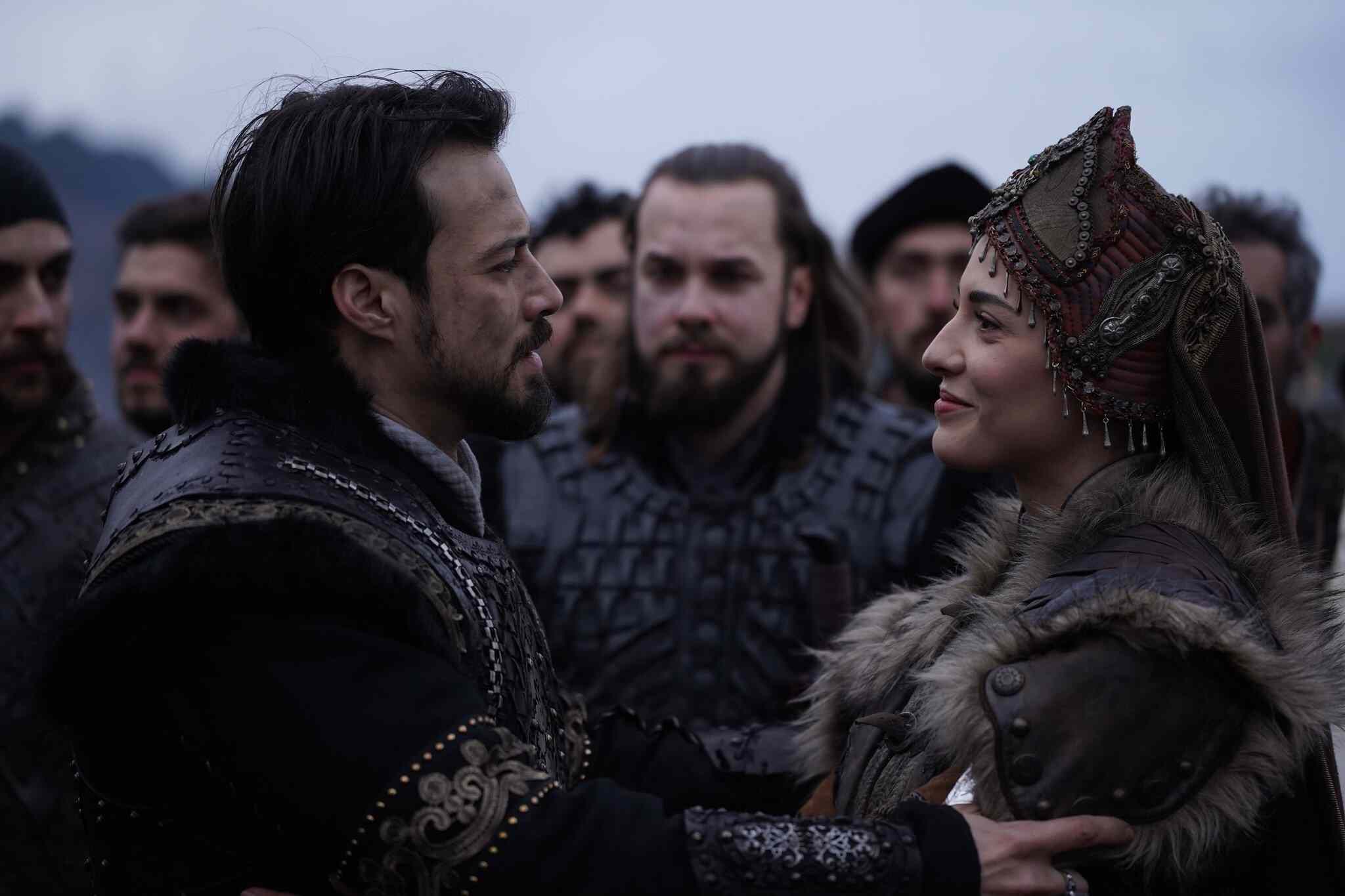
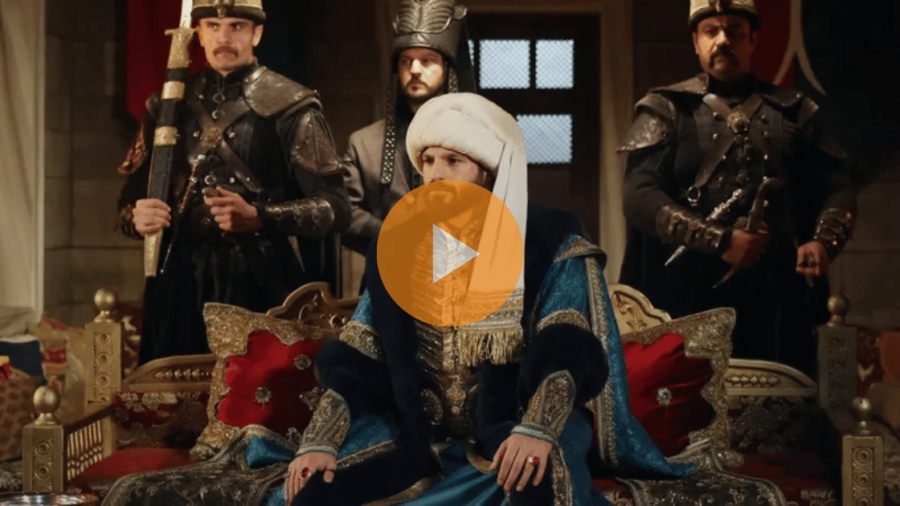
Mercan and Ateş in a tense forced marriage moment in Arafta Episode 1

The core setup is simple but emotionally loaded. A marriage is imposed as part of a larger deal, and that marriage is tied to a period of 187 days. But beneath that arrangement lies something darker. This is not only about money or business. It is also about punishment, revenge, and making another family suffer from inside their own home.

Episode Story Breakdown

The episode begins by establishing Mercan’s pain and resolve. She remembers a childhood marked by silent suffering, swallowed tears, and unresolved scores. That early emotional framing matters because everything that follows grows out of that same damage. Mercan may be trapped, but she is not weak.

Very quickly, the central deal becomes clear. Mercan is expected to marry Ateş Karahan and fulfill the role demanded of her, even though the marriage is presented as temporary and deeply transactional. The power imbalance is obvious from the start. The Yıldırım family is under crushing pressure, their estate is seized, and their options are disappearing. Ateş enters their world not as a rescuer, but as the man who now controls their future.

At the company, the conflict takes on a second form. Ateş moves fast, freezes key processes, places legal and financial oversight into trusted hands, and makes it clear that the old system is no longer untouchable. His scenes with Mercan in the workplace are especially revealing. Their exchanges are sharp, tense, and filled with mutual resistance. She pushes back against his tone and his authority. He keeps testing her patience, her intelligence, and her limits. The result is a strong dramatic rhythm: office politics become another battlefield for personal dominance.


At the mansion, the pressure on Mercan becomes even harsher. She is not treated like a future bride with agency, but like someone being inserted into a hostile household under rules she did not choose. Müzeyyen’s cruelty is especially striking. She turns marriage into discipline, tradition into intimidation, and home into punishment. Mercan’s room, her clothes, even the idea of a wedding night are weaponized against her. When Mercan calls Ateş a bully, it lands because the episode has already shown how surrounded and suffocated she feels.


At the same time, another track is building through Nezir. He is desperate, indebted, unstable, and willing to drag everyone deeper into disaster. His threats escalate from blackmail to murder. He pressures Murat, manipulates the family’s fear, and keeps positioning himself as the last-minute solution to a problem he is helping create. The episode uses him well as a destabilizing force. He is not simply an outsider; he is a reminder that bad decisions always invite worse ones.


The turning point comes when Murat confronts Ateş. What begins as a warning turns into panic and violence. Murat shoots Ateş, and in that moment the story changes shape. Mercan’s reaction is one of the most important emotional beats in the episode. Instead of abandoning Ateş, she stays with him, tries to help him, and later takes the blame for the shooting to protect her brother. That choice transforms her role in the story. She is no longer only the victim of other people’s plans. She becomes someone who actively chooses sacrifice, even when it destroys her own future.


After the shooting, the drama tightens. Ateş survives. The families gather in fear and fury. Müzeyyen wants punishment. Haydar panics over scandal, prison, and humiliation. Murat collapses under guilt. Mercan continues to carry the burden. Ateş, however, makes the most unexpected move of the episode: he refuses to identify the shooter to the police. That decision creates even more tension because mercy is clearly not his motive. He is planning something else.


That “something else” arrives in one of the episode’s strongest closing turns. Ateş suddenly brings the wedding forward and announces that they will marry the very next day. From there, the story becomes a race against time. Haydar tries to send Mercan away. Nezir arranges an escape by boat. Ateş grows suspicious and senses a plot. Mercan, meanwhile, discovers that she is being moved through yet another scheme without the truth being told to her.


The marina escape plot collapses into further betrayal. Mercan is led toward flight, but the plan around her is larger and dirtier than she realizes. Ateş uncovers enough to understand that she does not fully know what is being done in her name. The episode then moves toward its final symbolic strike: Mercan appears in a black wedding dress. It is a powerful image because it rejects the joy, purity, and celebration usually tied to marriage scenes. This is not a romantic union. It is a funeral-colored entrance into captivity, revenge, and resistance.
The wedding finally happens. Mercan says yes. Ateş says yes. The ceremony is completed, but nothing about it feels settled. Instead, the marriage formalizes the conflict. The episode ends by underlining the meaning of the title’s emotional space: love and hatred may rise from the same heart, but here they are still locked inside fire, pain, and unfinished revenge.

Historical Context Behind the Episode

Although Arafta Episode 1 is not built as a classical historical drama, it draws its emotional power from old-world family structures that still feel familiar in Turkish melodrama. Honor, debt, marriage, inheritance, class hierarchy, and public reputation shape almost every decision in the episode. The women are judged through tradition, the men act through pride and control, and families treat private pain as a tool of negotiation.

The story also reflects a long-standing dramatic theme in Turkish television: children carrying the punishment of older generations. Ateş and Mercan are not only fighting each other; they are living inside damage created before them. That inherited bitterness gives the episode weight and helps explain why even practical decisions quickly become matters of ego, revenge, and emotional survival.

Direction and Performances

The episode’s biggest strength is how confidently it shifts between emotional cruelty and narrative momentum. The mansion scenes create suffocation. The office scenes create power struggle. The hospital and marina sections increase urgency. Even without relying on spectacle, the writing keeps the pressure rising through confrontation, accusation, and withheld truth.


Mercan comes across as the emotional core of the episode. She is frightened, angry, humiliated, stubborn, and exhausted, but never empty. Ateş is written with enough restraint to remain dangerous. He rarely needs long speeches because his control, silence, and reversals do the work. Their scenes succeed because neither of them fully yields. That tension gives the episode its identity.

Why This Episode Matters

This first episode matters because it does more than introduce a contract marriage plot. It builds a larger revenge structure around it. The shooting, the false confession, the hidden plan involving Eylül, the failed escape, and the black wedding dress all point to a story where every emotional move has a strategic cost.


The episode also defines the central question that will carry the series forward: is this marriage the beginning of emotional destruction, or the beginning of an unexpected transformation? For now, the answer leans toward destruction. But the writing is careful enough to leave room for deeper change later.

Where to Watch

For viewers following Turkish series coverage, Kurulusorhan.com can serve as a fan-focused reference point for episode write-ups and story breakdowns. Some viewers also track Turkish drama availability and community discussions through fan-favorite platforms such as Turkish123.com, depending on regional access and official release options.

Final Thoughts

Arafta Episode 1 is intense, angry, and dramatically effective. It introduces its world through pain rather than romance and turns a marriage setup into a layered story about revenge, guilt, and control. The strongest thing about the episode is that it never lets the wedding feel simple. Every promise is poisoned, every alliance is fragile, and every act of protection comes with a cost.

By the time the vows are spoken, the story has already made one thing clear: this marriage is not the ending of a conflict. It is the official beginning of one.

What is the main conflict in Arafta Episode 1?

The main conflict revolves around Mercan being forced into a marriage with Ateş as part of a larger deal involving debt, family control, and revenge.

Why is the number 187 days important?

The marriage arrangement is tied to a 187-day period, making the relationship feel contractual, strategic, and temporary rather than romantic.

Who shot Ateş in Episode 1?

Murat fires the shot, but Mercan later claims responsibility in order to protect her brother.

Does Ateş tell the police who shot him?

No. When questioned, Ateş says he did not see who shot him, which suggests he has his own plan for punishment.

Why is Mercan’s black wedding dress important?

The black dress symbolizes grief, resistance, and the death of any normal idea of a joyful wedding.

What does the name Eylül suggest in the episode?

The mention of Eylül hints at a deeper emotional backstory tied to Ateş and his hidden motive for targeting Haydar’s family.
Mehmed Fetihler Sultani Episode 71 In English Subtitles: Hungary’s Surprise March, Bayezid’s Test, and Bosnian Throne Intrigue

Mehmed Fetihler Sultani Episode 71 In English Subtitles: Hungary’s Surprise March, Bayezid’s Test, and Bosnian Throne Intrigue

Introduction

Mehmed Fetihler Sultani Episode 71 In English Subtitles arrives with a sharper sense of military secrecy and emotional strain than a routine historical drama episode. TRT 1’s official Episode 71 material places Sultan Mehmed in Sofia, gathering the Ottoman council and revealing that the expected Bosnia route is not the real destination. Instead, the campaign turns toward Hungarian lands, instantly widening the episode’s political stakes and making strategy itself the center of the drama.

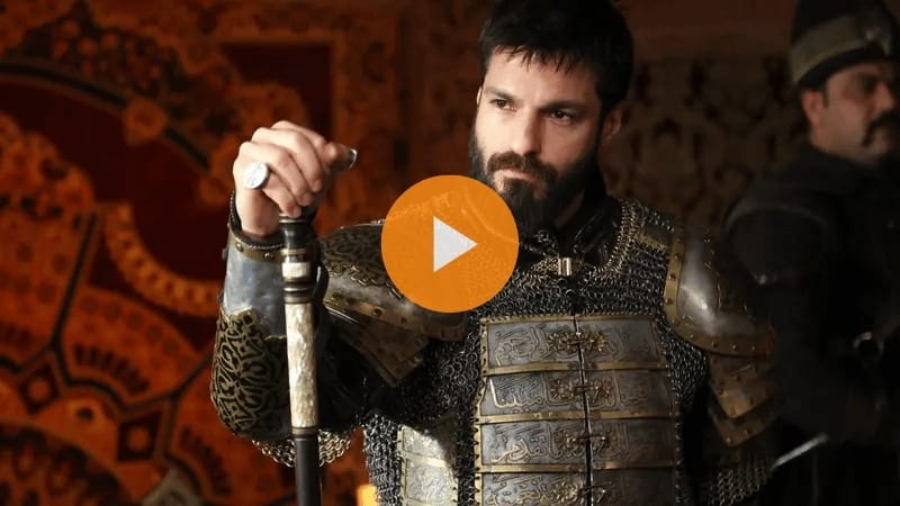
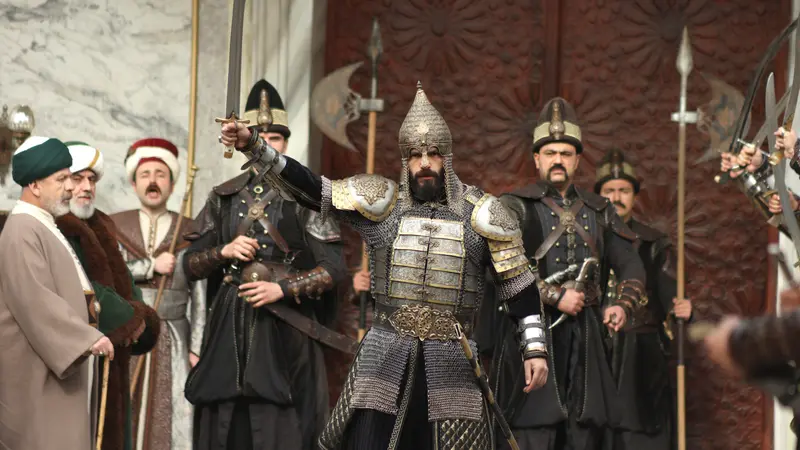
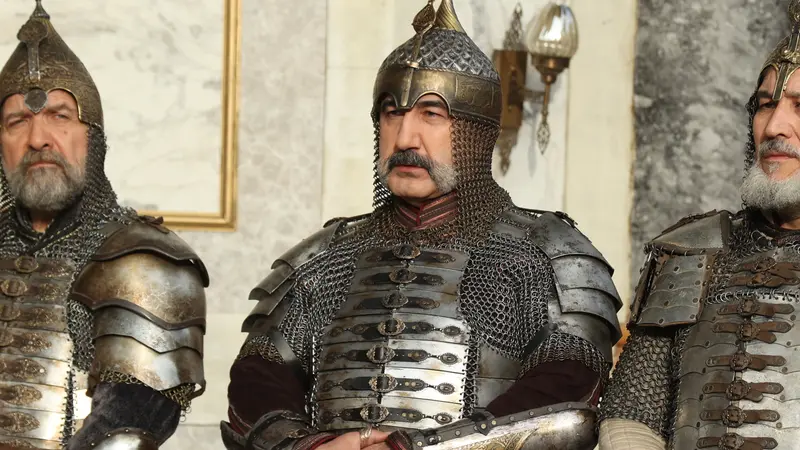
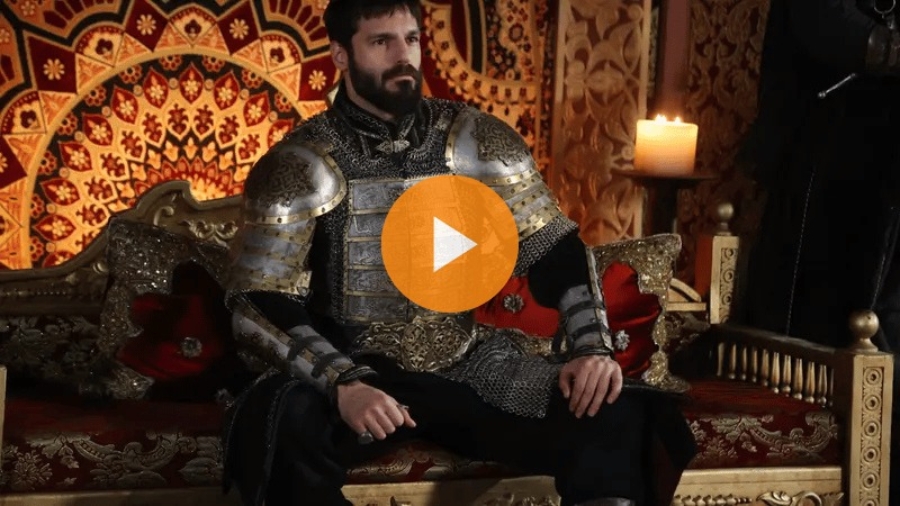
An Ottoman commander stands in armor at the military camp in Mehmed Fetihler Sultani Episode 71.

What stands out in the official synopsis is how many pressures are moving at once. The campaign is not framed as a simple march forward. TRT 1’s verified summary ties together Mehmed’s secret decision, Şehzade Bayezid’s dangerous diplomatic task, İshak Paşa’s battlefield success at Drine Fortress, and a European power struggle involving King Matthias, Gabor, Vlad, Nador, and Queen Katerina. That combination gives Episode 71 the feeling of a true hinge chapter rather than a filler installment.

Series Overview

TRT 1’s official series page shows Mehmed: Fetihler Sultanı continuing with new episodes, a 71st episode listing, and even a 72nd episode trailer already posted, which confirms the series is still actively moving forward in its current run. The show remains positioned as one of TRT 1’s flagship historical productions, with regular episode, summary, trailer, and news updates gathered in one official hub.

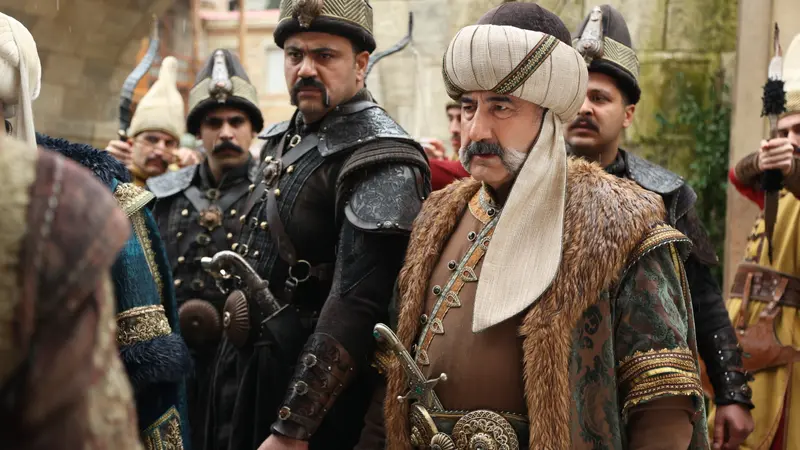
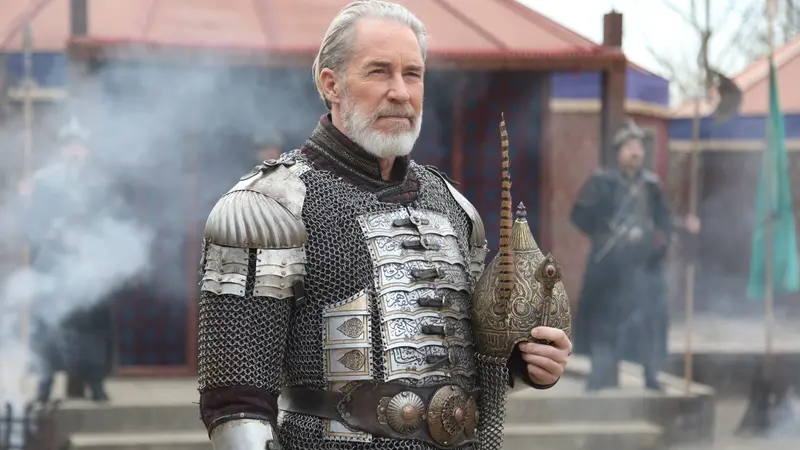
A senior Ottoman commander listens carefully during a tense council scene in Mehmed Fetihler Sultani Episode 71.

That matters for Episode 71 because the story is clearly no longer limited to one conquest milestone. The official pages now reflect a broader narrative world built around military planning, frontier politics, palace tensions, dynastic pressures, and rival European power centers. Episode 71 fits that larger design perfectly, because it pushes the Ottoman campaign into a more complex geopolitical contest and makes secrecy, loyalty, and timing just as important as force.

Episode Story Breakdown

According to TRT 1’s official summary, the episode opens with Sultan Mehmed calling a divan at the Ottoman headquarters in Sofia and revealing the secret that changes the direction of the campaign. Everyone expects Bosnia to remain the main route, but Mehmed announces that the real target is Hungarian territory. TRT 1’s own news coverage describes this as a decision taken in the spirit of a “state that moves with secrecy,” and it is presented as the kind of move that could unsettle both Mehmed’s own circle and the wider European front.

The most emotionally charged thread in the verified material is Bayezid’s mission. Official previews indicate that Şehzade Bayezid is sent into the enemy court on a critical task that goes beyond delivering a diplomatic message. TRT 1 says he also presents evidence that could create fractures on the other side, which gives his role more depth than ceremonial diplomacy. At the same time, the same official summary stresses that this duty increases the emotional distance between father and son, making the episode as much about family strain as military purpose.

On the battlefield side, TRT 1’s Episode 71 coverage highlights a morale-boosting Ottoman success. Sadrazam İshak Paşa captures Drine Fortress, a stronghold the official page describes as nearly impossible to take. Yet the victory does not close the danger. TRT 1 immediately places a dark revenge plot after that success, which means the episode treats triumph as unstable and temporary rather than final. That is a smart storytelling choice, because it keeps the war line tense even after a major gain.

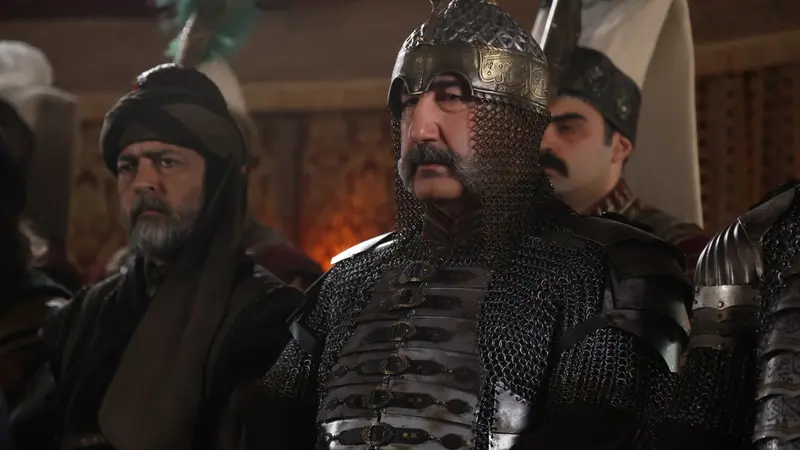
Ottoman commanders stand after a major battlefield development in Mehmed Fetihler Sultani Episode 71.

The European plotline looks equally volatile. Official TRT 1 material says that, despite King Matthias’s order, Commander Gabor refuses to retreat, deepening the crisis. At the same time, Vlad and Nador attempt to seize the Bosnian throne through a plan built around Queen Katerina. This is one of the most interesting verified elements in the episode summary because it shows that the conflict is not just Ottoman versus Europe in a simple binary sense. It is also about fractures inside Europe, rival ambitions, and a throne question that could reshape the Bosnia front from within.

By the end of the official setup, TRT 1 frames Mehmed as facing a double trial: he must act both as ruler and as father while the campaign’s fate hangs in the balance. That phrasing matters, because it tells viewers to read Episode 71 not only as a war episode but also as an episode about the cost of command. The official summary presents sacrifice, disappointment, and political necessity as inseparable. That emotional layering is what gives the episode real weight.

Historical Context Behind the Episode

Episode 71’s official focus on Hungary and Bosnia fits real fifteenth-century pressure points. Britannica identifies Matthias I, or Matthias Corvinus, as king of Hungary from 1458 to 1490 and describes him as a ruler who strengthened the Hungarian state through military and administrative reforms. Britannica also notes that Bosnia fell to the Ottomans in 1463 during the long Ottoman expansion across the Balkans. That historical background explains why TRT 1 treats Bosnia and Hungary not as separate concerns but as linked strategic spaces. In practical terms, Bosnia was a frontier zone, while Hungary represented organized resistance and competing regional power. So when the official Episode 71 summary shifts Mehmed’s route from the expected Bosnia line toward Hungarian lands, it reflects a larger historical reality: campaigns in this region were never only about one fortress or one road, but about controlling the wider balance of power across the Balkans and Central Europe.

A crowned European ruler appears in the Hungary-focused storyline of Mehmed Fetihler Sultani Episode 71.

Direction and Performances

Based on TRT 1’s official description, Episode 71 seems designed around controlled pressure rather than nonstop spectacle. The central dramatic engines are secrecy, princely duty, battlefield consequence, and fractured loyalties. That usually creates better material for historical drama performances, because actors are required to carry calculation, restraint, and emotional conflict rather than only battlefield energy. In other words, the official setup suggests an episode built on intensity of decision-making.

There is also a strong contrast in the episode’s structure. Mehmed is making long-range strategic decisions, Bayezid is pushed into intimate diplomatic risk, İshak Paşa is winning tangible military ground, and European players are maneuvering around a throne question. From an editorial point of view, that mix should help the episode feel dynamic without becoming scattered. The official materials point toward a chapter where political conversation, military action, and family tension all feed the same central conflict.

Why This Episode Matters

Episode 71 matters because it changes the campaign’s horizon. Official TRT 1 coverage does not present the new development as a minor tactical adjustment. It frames Mehmed’s choice as a surprise march toward Hungarian lands, a decision capable of shaking the palace, the army, and Europe’s alliance patterns at the same time. That kind of turn usually marks a storyline escalation, and TRT 1’s wording makes clear that this is exactly how viewers are supposed to read it.

It also matters because it deepens Bayezid’s importance. The official summary gives him a mission with political consequences, not just symbolic presence. At the same time, it emphasizes the growing distance between father and son, which means the series is linking state decisions to personal cost in a more visible way. That combination is often where historical dramas become most compelling, and Episode 71 appears built precisely on that tension.

Where to Watch

For viewers searching Mehmed Fetihler Sultani Episode 71 In English Subtitles, the safest starting point is the official TRT 1 page for the episode and the official series hub. TRT 1 also links into its broader platform ecosystem, including tabii, so those official pages are the most reliable place to confirm episode status and related material first. I would treat those pages as the best reference point before relying on third-party uploads or reposted summaries.

As fan-favorite community reference points, some viewers also search terms like Mehmed Fetihler Sultani Boulm 71 In English, Kayifamilytv, Turkish123, and osmanonline when looking for subtitle discussions or quick discovery paths. Those keywords reflect audience demand, but official broadcaster pages remain the strongest source for confirmed plot details, release information, and episode accuracy.

Final Thoughts

Mehmed Fetihler Sultani Episode 71 In English Subtitles looks like one of the more strategically loaded chapters in this stage of the series. TRT 1’s official material gives it scale without relying on empty hype: a secret shift toward Hungary, a dangerous mission for Bayezid, a morale-raising fortress victory, and a new wave of Bosnian throne intrigue on the European side. That is a rich combination, and it makes the episode feel politically alive before you even get to its later consequences.

What I especially like in the verified setup is that victory never looks simple. Every advance seems to open another wound, whether inside the family, inside the army, or across rival courts. That is what gives Episode 71 its dramatic value. It is not just about where Mehmed marches next. It is about what that decision costs, who must carry it out, and how many hidden struggles begin the moment the real target is revealed.

What happens in Mehmed Fetihler Sultani Episode 71?

According to TRT 1’s official summary, Sultan Mehmed reveals at the Sofia headquarters that the campaign’s real target is Hungarian territory, not the expected Bosnia route.

Does Şehzade Bayezid play a major role in Episode 71?

Yes. Official TRT 1 material says Bayezid undertakes a dangerous mission in the enemy court and presents evidence that could cause fractures there.

What is the biggest military development in Episode 71?

TRT 1 highlights İshak Paşa’s capture of Drine Fortress as a major Ottoman success that raises morale on the battlefield.

Why is King Matthias important in this episode?

The official summary places the Hungary front at the center of the new campaign direction, and TRT 1’s European-side plotline directly involves King Matthias and Commander Gabor.

Where should I look first for Mehmed Fetihler Sultani Episode 71 In English Subtitles?

The most reliable first stop is the official TRT 1 episode page and its linked platform ecosystem, then you can check regional subtitle availability.

Why do people search Mehmed Fetihler Sultani Boulm 71 In English, Kayifamilytv, Turkish123, or osmanonline?

Those searches reflect subtitle demand and audience discovery habits, but they are not stronger sources than the official TRT 1 pages.

Mehmed Fetihler Sultani Episode 70 In English Subtitles: Bosnia Strategy, Bayezid’s Mission, and a Dangerous New Power Game

Mehmed Fetihler Sultani Episode 70 In English Subtitles: Bosnia Strategy, Bayezid’s Mission, and a Dangerous New Power Game

Introduction

Mehmed Fetihler Sultani Episode 70 In English Subtitles is the kind of episode that immediately feels larger than a routine weekly chapter. The official TRT 1 material places Sultan Mehmed at the center of a new political and military turning point, with the Divan-ı Hümayun gathered, Bosnia declared as the new Kızılelma, and the real challenge framed not as simple conquest but as a contest of strategy against Matthias Corvinus. TRT 1’s trailer page for Episode 70 was published on February 14, 2026, and the official episode page followed on February 25, 2026, confirming this as a major transition point in the current storyline.

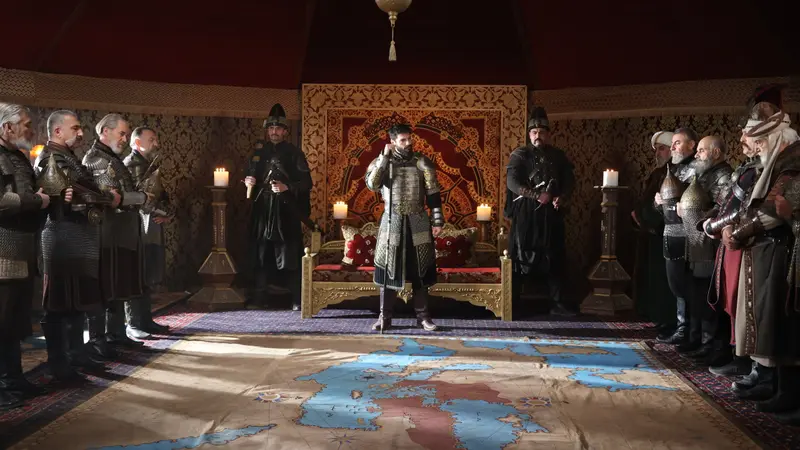
A strategic war council scene around a large campaign map in Mehmed Fetihler Sultani Episode 70.

For international viewers, the search phrase is not only about the plot. It is also about access, context, and understanding. Episode 70 stands out because the official synopsis emphasizes diplomacy, succession pressure, hidden palace maneuvering, and frontier instability all at once. Rather than selling the episode through empty hype, the verified summary points to an hour driven by decisions, risks, and a widening Balkan chessboard.

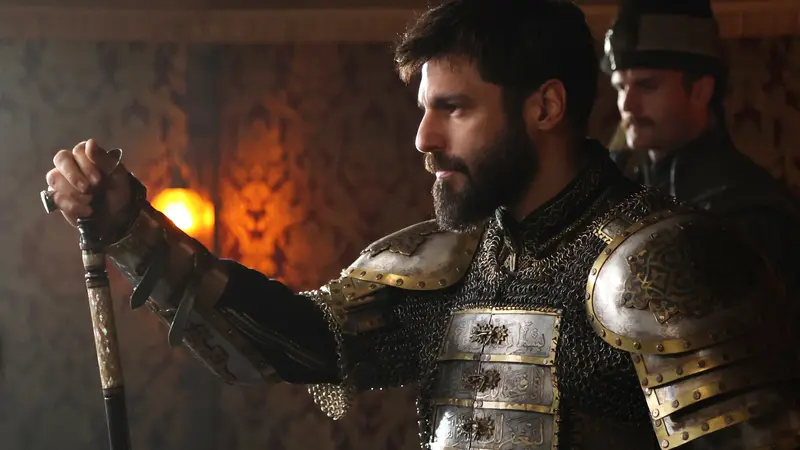
An armored warrior stands in a tense opening moment from Mehmed Fetihler Sultani Episode 70.

Series Overview

IMDb describes Mehmed: Fetihler Sultani as a historical drama centered on Sultan Mehmed’s struggle against enemies inside and outside the palace as he pursues his greatest imperial ambitions. What makes Episode 70 especially interesting is how far the series has now moved beyond the original conquest setup into the wider political consequences of Ottoman expansion. TRT 1’s official episode summaries around this stretch show a continuing focus on Bosnia, Ragusa, princely duty, court strategy, and the pressure created by rival European powers.

That broader scope helps explain why the series has remained compelling for historical drama fans. It is no longer only about battlefield spectacle. It is also about what happens after power is gained: how it is protected, how it is tested, and how every imperial decision creates a new circle of enemies. Episode 70 fits that pattern perfectly, because it turns the spotlight toward Bosnia while treating diplomacy itself as a weapon.

Episode Story Breakdown

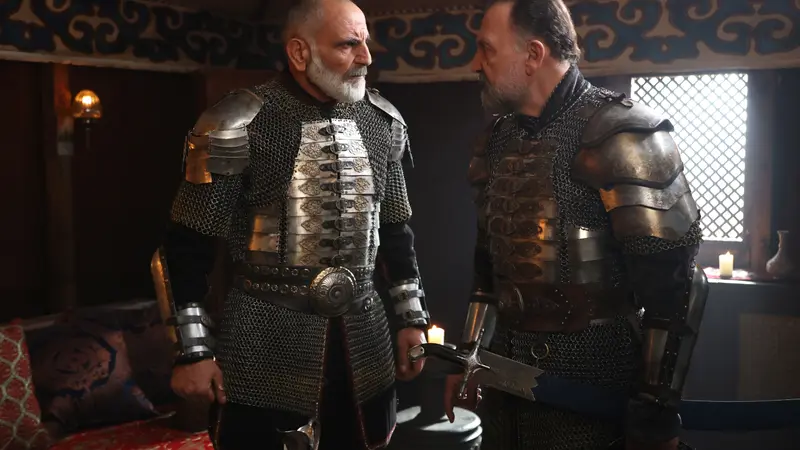
Two armored commanders face each other during a tense strategy scene in Mehmed Fetihler Sultani Episode 70.

The official TRT 1 summary for Episode 70 begins with a strong political image: Fatih Sultan Mehmed convenes the imperial council and declares Bosnia to be the new Kızılelma. But the summary immediately makes clear that Bosnia is not being presented as an isolated prize. It is described as a gateway, and behind that gateway stands Matthias Corvinus, identified as one of Central Europe’s most formidable minds. That framing gives the episode a sharper edge. Mehmed is not simply marching toward land; he is measuring himself against a rival intelligence.

One of the most important turns in the official synopsis is the decision to send Şehzade Bayezid as an envoy. That choice gives Episode 70 emotional and political weight at the same time. On paper, it is a diplomatic mission. In practice, it becomes a test of princely maturity, statecraft, and survival. TRT 1’s wording stresses that this is a threshold moment for Bayezid, a chance to prove himself through judgment rather than force. At the same time, İshak Paşa reads the mission as deeply dangerous, which adds another layer of tension inside the palace.

A royal court figure reacts during a tense palace moment in Mehmed Fetihler Sultani Episode 70.

The official summary also suggests that secrecy and counter-moves drive much of the suspense. Hidden plans, delayed commands, changed routes, and private interventions all point to an atmosphere in which nobody feels fully secure. Vlad III and Gabor are positioned as men waiting in ambush, apparently already sensing Ottoman preparations and trying to break that power before open war even begins. The mention of artillery cast in Niš adds a harder military tone, while the closing image of a young prince facing a disciplined Hungarian force in a narrow valley gives the episode a proper historical-drama cliff edge.

What makes this official setup so effective is its balance. Episode 70 does not reduce power to speeches or to swords alone. Instead, it places words, routes, loyalty, artillery, princely duty, and enemy intelligence in the same dramatic frame. That is why the episode feels important even before viewers get into later consequences. The synopsis presents a state under pressure, a ruler thinking several moves ahead, and a son being pushed into the dangerous space between diplomacy and war.

Historical Context Behind the Episode

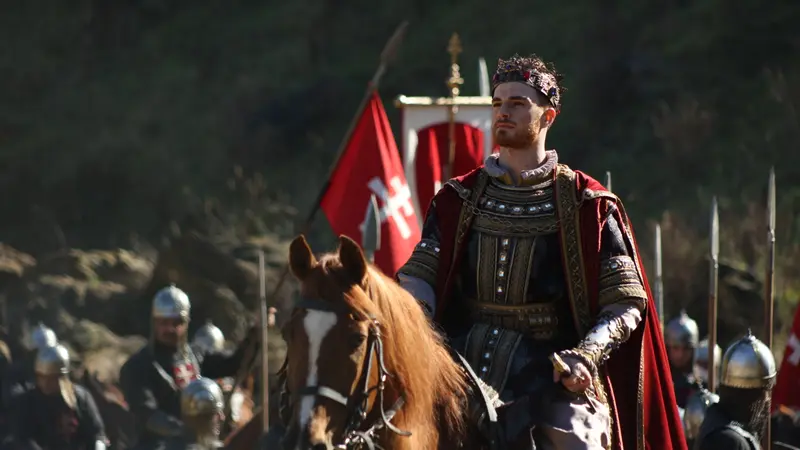
A crowned rider leads soldiers during a frontier power scene linked to Mehmed Fetihler Sultani Episode 70.

Episode 70’s Bosnia turn matters because Bosnia stood on one of the most sensitive frontiers between Ottoman expansion and the Hungarian crown in the fifteenth century. Britannica notes that Matthias I, or Matthias Corvinus, ruled Hungary from 1458 to 1490 and became one of Central Europe’s strongest political and military minds. Britannica also explains that Bosnia was absorbed into the Ottoman sphere after the mid-fifteenth-century conquest and developed into an important administrative and military zone.

That background clarifies why TRT 1 presents Bosnia not as a minor target but as the doorway to a larger European contest. In other words, the episode’s emphasis on councils, envoys, border loyalties, and carefully measured force fits the real historical pressure of the region. Bosnia was not simply another battlefield. It was a hinge point connecting Ottoman ambitions, Hungarian resistance, and the unstable loyalties of Balkan politics.

Direction and Performances

Even from the verified episode description alone, Episode 70 appears built around controlled tension rather than simple spectacle. The material suggests a chapter that values mood, intelligence, and pressure: Mehmed as strategist, Bayezid as tested heir, İshak Paşa as uneasy protector, and hostile figures like Vlad III and Gabor as threats operating before the full clash begins. That structure usually creates stronger performance material in historical television, because actors are asked to carry uncertainty, silence, and authority instead of relying only on action. In that sense, Episode 70 looks designed to reward measured performances and political intensity.

There is also something smart in the way the episode’s official wording shifts attention from triumph to burden. Mehmed’s decision-making, Bayezid’s mission, and İshak Paşa’s fear all suggest that command comes with emotional cost. That is exactly the kind of dramatic texture that keeps a long-running historical series from becoming repetitive. Episode 70 seems to understand that power is most interesting when it feels fragile.

Why This Episode Matters

Episode 70 matters because it appears to mark a strategic widening of the story. Instead of returning to familiar victory beats, it moves the narrative into a more complicated arena where imperial expansion must be negotiated, defended, disguised, and sometimes risked through younger hands. Bosnia is presented as both destination and doorway, Matthias Corvinus is framed as a serious intellectual rival, and Bayezid is pushed into a mission that could reshape how viewers see him going forward.

It also matters because the official TRT 1 episode listing already shows Episode 71 following this line of conflict, with further developments around Bosnia, Hungary, Bayezid, and shifting European power calculations. That gives Episode 70 added weight: it is not filler, but a hinge between one phase of the campaign and the next.

Where to Watch

For verified episode information, the safest starting point is the official TRT 1 ecosystem. TRT 1 hosts both the Episode 70 page and the official trailer page, and the series pages also link viewers toward tabii for live or platform-based access. For international viewers searching Mehmed Fetihler Sultani Episode 70 In English Subtitles, the most responsible advice is to begin with official listings first and then check subtitle availability by region on the platform page itself.

As fan-favorite community reference points, some viewers also keep an eye on Kurulusorhan.co.uk and Turkish123 when tracking discussion, release chatter, or subtitle buzz. Those names are useful as community markers, but official broadcaster pages remain the strongest source for episode confirmation, synopsis accuracy, and release status.

Final Thoughts

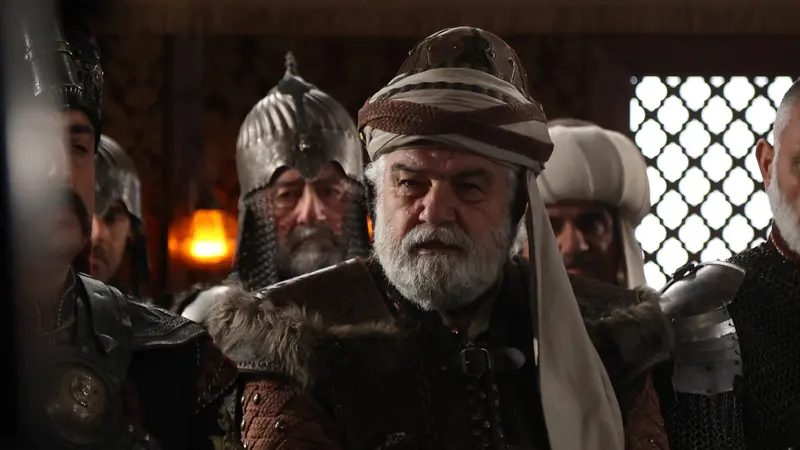
An older court figure appears in a serious political moment from Mehmed Fetihler Sultani Episode 70.

Episode 70 looks like one of the more strategically interesting chapters in the current run of Mehmed: Fetihler Sultani. The official material does not sell it as a routine march toward battle. Instead, it presents a ruler calculating beyond the battlefield, a prince being tested in the language of diplomacy, and a frontier crisis tied to one of the era’s most formidable European rulers. That combination gives the episode more weight than a standard action-heavy installment.

For readers and viewers following the series for both history and drama, this is exactly the kind of episode that keeps momentum alive. It expands the political world, raises the emotional stakes for Bayezid, and makes Bosnia feel like a live fault line rather than a background location. If that official setup pays off on screen, Episode 70 should be remembered as a key transitional chapter in the 2026 stretch of the series.

What happens in Mehmed Fetihler Sultani Episode 70?

According to TRT 1’s official summary, Sultan Mehmed gathers the Divan-ı Hümayun, declares Bosnia as the new Kızılelma, and confronts a larger strategic contest shaped by Matthias Corvinus, Bayezid’s envoy mission, and growing danger around the Ottoman campaign.

Is Episode 70 more about diplomacy or war?

Officially, it is both, but the summary leans strongly into diplomacy, intelligence, secrecy, and strategic positioning before open conflict fully takes over.

Why is Matthias Corvinus important in Episode 70?

TRT 1 explicitly frames him as the major mind behind the wider European challenge, which makes Bosnia more than a territorial target and turns the episode into a contest of strategy.

Does Şehzade Bayezid have a major role in this episode?

Yes. The official synopsis presents Bayezid’s envoy mission as one of the episode’s central dramatic tests and a major measure of his maturity and political value.

Is Episode 71 confirmed after Episode 70?

Yes. TRT 1’s official episode listings already include Episode 71, showing that the Bosnia-Hungary conflict line continues beyond Episode 70.

Mehmed Fetihler Sultani Episode 69 In English Subtitles: A Major Campaign Begins as Palace Loyalties Shift

Mehmed Fetihler Sultani Episode 69 In English Subtitles: A Major Campaign Begins as Palace Loyalties Shift

Introduction

Mehmed Fetihler Sultani Episode 69 In English Subtitles is the kind of search phrase viewers use when they want both the official episode story and a trustworthy starting point for follow-up viewing. For readers also searching Mehmed Fetihler Sultani Boulm 69 In English, or using terms linked to Kayifamilytv, Turkish123, and osmanonline, the clearest verified foundation is TRT 1’s own episode material. TRT’s official pages show that Episode 69 centers on Sultan Mehmed preparing for a major campaign, while the capital is shaken by changing loyalties, Mahmud Pasha’s return to the divan, hidden games in the palace, and the political consequences of a strategic marriage decision.

Series Overview

Mehmed: Fetihler Sultanı is TRT 1’s historical drama centered on Sultan Mehmed II, and the official series page currently lists the show’s ongoing run with episodes beyond 69, including Episodes 70 and 71. TRT’s cast page on the series hub identifies Serkan Çayoğlu as Sultan Mehmed, with major recurring political figures such as Çandarlı and Zağanos Paşa also remaining part of the wider story world. That matters for Episode 69, because the official synopsis frames this chapter not as an isolated battle hour, but as a politically charged turning point in a larger campaign-driven narrative.

Sultan Mehmed prepares for a major campaign in Mehmed Fetihler Sultani Episode 69 in English subtitles

Episode Story Breakdown

According to TRT 1’s official Episode 69 description, Sultan Mehmed begins preparations for a massive campaign that reaches beyond existing borders, while the balance of power in the capital is reset. Mahmud Pasha’s return to the divan brings relief to some factions and unease to others, which immediately gives the episode a tense political pulse. TRT also emphasizes that state decisions taken in the name of survival bring loyalty and ambition into direct conflict, while palace intrigues begin to surface more openly.

The episode’s official outline also raises one of its most important dramatic threads: who around Mehmed is truly loyal, and who is pursuing private interests behind a façade of service. That question gives Episode 69 more than simple battlefield suspense. It turns the hour into a test of judgment, not just strength. The tension grows further when Sultan Mehmed agrees to a political marriage with Ragusa Princess Rose, a decision the official TRT write-up presents as carrying hidden costs for both power and dynasty.

On the military side, TRT says a major trap is prepared on the front, drawing enemies into open ground and setting up a confrontation that could alter the direction of the conflict. The official framing makes it clear that Episode 69 is built around momentum: campaign preparation in the center, factional pressure in the palace, and a strategic move on the battlefield. It is an episode about the weight of decision-making before the next major phase of expansion begins.

Historical Context Behind the Episode

Episode 69 operates inside a historical atmosphere shaped by Mehmed II’s expansionist rule. Britannica notes that Mehmed II captured Constantinople and extended Ottoman power across Anatolia and the Balkans, making those regions the empire’s long-term heartland. Britannica also explains that Dubrovnik, historically Ragusa, preserved its liberty through a strategic treaty with Turkey that sustained its trading role between the Ottoman world and Europe, while Bosnia was absorbed into Ottoman rule as part of the empire’s Balkan growth.

Mahmud Pasha returns to the divan as palace loyalties shift in Mehmed Fetihler Sultani Episode 69

That broader mix of conquest, frontier governance, diplomacy, and elite rivalry helps explain why the series repeatedly combines military ambition with court politics. Even when the show dramatizes personal stakes for television, Episode 69 clearly draws from a period in which campaign planning, Balkan strategy, and statecraft were deeply connected.

Direction and Performances

What makes Episode 69 interesting on paper is that its official story beats are not built around one single twist. Instead, TRT frames the episode through layered pressure: a looming campaign, political return, palace intrigue, strategic marriage, and an approaching battlefield reckoning. That structure usually works best when the lead performance carries both authority and uncertainty, and Serkan Çayoğlu’s role as Sultan Mehmed remains central to that balance. The wider ensemble surrounding him is already anchored by established political and military figures on TRT’s cast page, which supports the episode’s more state-focused tone.

There is also a notable addition tied to this episode. TRT announced that Aslı Tandoğan joins the series in Episode 69 as Gülbahar Hatun, presenting her arrival as an important new factor in the palace dynamic. That kind of addition matters in a drama like Mehmed: Fetihler Sultanı, because the show’s tension often depends on how domestic, dynastic, and imperial choices overlap. Episode 69 appears designed to benefit from exactly that sort of layered dramatic pressure.

Why This Episode Matters

Episode 69 matters because TRT positions it as the start of a larger forward movement rather than a pause between major events. The official language around the episode repeatedly points to a coming storm, a decisive divan position, and the sense that a new chapter of struggle is opening. That gives the episode real narrative weight. It is not just about what happens next week; it is about how the series reorders loyalty, state strategy, and emotional stakes before moving deeper into its campaign arc.

For viewers searching in English, that also makes Episode 69 especially appealing. Even without relying on speculation, the verified TRT material already promises several things audiences usually want from this series: imperial vision, internal suspicion, military planning, and a high-pressure court atmosphere. In other words, the episode has both historical scale and serial drama value.

Where to Watch

The official broadcaster for Mehmed: Fetihler Sultanı is TRT 1, and the official series page lists episode pages, summaries, trailers, cast updates, and photo galleries for the show. TRT’s Episode 69 promo states that this chapter was scheduled for February 10, 2026, at 20:00 on TRT 1. For readers tracking updates, the most reliable route is to start with TRT 1’s official episode, summary, and trailer pages before checking any secondary discussion spaces.

For fan discussion and discovery, Kurulusorhan.co.uk and Turkish123 can be mentioned as community reference points. That said, the official TRT pages reviewed here confirm the episode, its summary, trailer listing, and its broadcast information, but they do not state English subtitle availability on those pages.

Final Thoughts

Episode 69 looks like one of those Mehmed: Fetihler Sultanı chapters where power is measured as much in restraint and calculation as in force. Based on TRT’s verified material, the hour is shaped by campaign preparation, shifting loyalties in the capital, Mahmud Pasha’s politically loaded return, and a marriage decision with consequences that stretch beyond the personal. That is a strong combination for viewers searching Mehmed Fetihler Sultani Episode 69 In English Subtitles, because it promises a full historical-drama package without needing exaggerated claims.

The best part is that the episode already carries its own hook through official information alone. It does not need invented twists. TRT’s outline gives it enough weight: a ruler planning beyond borders, a court full of pressure, enemies being drawn into the open, and a state pushing toward its next defining move.

When did Mehmed: Fetihler Sultanı Episode 69 air?

TRT 1’s official promo says Episode 69 was scheduled for February 10, 2026, at 20:00.

What is the main story of Episode 69?

The official summary says Sultan Mehmed prepares for a major campaign while palace balances shift, Mahmud Pasha returns to the divan, and hidden intrigues begin surfacing.

Does Episode 69 introduce any important new character?

TRT announced that Aslı Tandoğan joins the series in Episode 69 as Gülbahar Hatun.

What historical themes does Episode 69 reflect?

It reflects the wider world of Mehmed II’s Balkan expansion, strategic statecraft, and diplomacy tied to Ottoman power in southeastern Europe.

Where should viewers check first for official updates about Episode 69?

The best starting point is TRT 1’s official series hub, episode page, summary page, and trailer page.

Mehmed Fetihler Sultani bolum 68 In English Subtitles: Treachery in the Capital and Danger on the Bosnian Front

Mehmed Fetihler Sultani Episode 68 In English Subtitles: Treachery in the Capital and Danger on the Bosnian Front

Introduction

Mehmed Fetihler Sultani Episode 68 In English Subtitles arrives with a far sharper sense of danger than a routine historical installment. TRT 1’s official Episode 68 material frames the chapter around two simultaneous crises: Sultan Mehmed’s careful strategy against a Crusader alliance on the Bosnian front, and a spreading network of corruption and rebellion inside the capital itself. That contrast matters. One threat is external and military; the other is intimate, political, and close enough to poison the state from within.

What immediately stands out in the official synopsis is how little room the episode leaves for comfort. TRT 1 describes Mehmed not only as a ruler directing a patient campaign in Bosnia, but also as a sultan forced to step directly before the ocak to confront treachery in person. Add Prince Beyazıd’s mission to Ragusa and Vlad Tepeş’s deadly ambush, and Episode 68 starts to feel like a chapter built on converging tests rather than isolated plot beats.

Series Overview

Mehmed: Fetihler Sultanı remains one of TRT 1’s active historical dramas, and the network’s official series page continues to list new episodes and summaries for the show. IMDb also identifies it as an ongoing Turkish drama-history series that began in 2024 and follows Sultan Mehmed’s struggle against enemies inside and outside the palace. For international discovery, tabii maintains an English-facing page for the series under the title Fatih: Sultan of Conquests, which is useful for viewers searching in English rather than Turkish.

Episode 68 was officially promoted by TRT 1 for Tuesday, February 3, 2026, at 20:00. That date matters because it gives this article a verified broadcast anchor and keeps the discussion tied to broadcaster material instead of recycled fan speculation. For a series this political, accuracy matters more than speed, especially when viewers are trying to separate official episode information from subtitle-search noise.

Sultan Mehmed faces rebellion, corruption, and exposed traitors in the capital during Mehmed Fetihler Sultani Episode 68 In English Subtitles.

Episode Story Breakdown

TRT 1’s official description presents Episode 68 as a chapter where Sultan Mehmed is forced to defend the empire on two fronts at once. On the Bosnian side, he continues a strategy based on patience and intelligence against the Crusader alliance rather than rushing into reckless action. In the capital, however, events are much uglier and more urgent. TRT 1 says rising corruption and an attempted rebellion cast a shadow over the payitaht, turning internal disorder into a full state crisis.

That internal thread is what gives the episode its real bite. The official TRT 1 news page says the sultan personally steps before the ocak and refuses to give treachery any space. I like that detail because it shifts the mood of the episode immediately. This is not just a court hearing or a whispered investigation in a corridor. The official framing tells us Mehmed answers betrayal with direct authority, making the crisis feel public, dangerous, and impossible to contain quietly.

The same official summary adds another crucial line: the traitors inside are exposed one by one. That wording suggests Episode 68 is built around revelation as much as confrontation. The threat is not merely that corruption exists; it is that it has already reached deep enough into the system to require active uncovering. In a historical drama, that kind of wording usually signals a chapter where trust becomes the most fragile currency in the palace.

Prince Beyazıd’s mission raises the stakes even further. TRT 1’s official material says he is sent to Ragusa to cut the enemy’s financial artery, which gives the episode a strong strategic layer beyond palace intrigue. It is a smart detail because it reminds us that war in this series is not only fought with swords. Money, routes, and supply lines matter too. But the mission is anything but secure: the official summary says Vlad Tepeş sets a deadly ambush, dragging the young prince into a dangerous face-to-face clash.

Prince Beyazid walks into Vlad Tepes’s deadly ambush during his dangerous Ragusa mission in Mehmed Fetihler Sultani Episode 68 In English Subtitles.

That combination makes Episode 68 feel especially balanced in dramatic terms. Bosnia gives the story long-range political vision. The capital gives it immediate moral danger. Ragusa and Vlad give it physical jeopardy. TRT 1’s official language never oversells the material with empty hype, and that is exactly why the episode description works. It reads like a chapter where leadership, loyalty, and timing all begin to tighten at once.

Historical Context Behind the Episode

The historical backdrop behind Episode 68 is credible in broad outline. Britannica describes the Janissaries as an elite standing corps that became one of the most powerful institutions in the Ottoman state, which helps explain why unrest around the ocak carries such weight in the series.

Britannica also notes that Mehmed II expanded Ottoman power into the Balkans, where frontier politics and local rivalries were constant pressures of rule. Vlad III of Wallachia, better known as Vlad the Impaler, was a real 15th-century ruler caught in violent conflict with both regional rivals and the Ottomans. So while the episode is dramatized for television, its mix of Bosnian strategy, internal discipline, and Vlad-linked danger fits the broader historical tensions surrounding Mehmed’s reign.

Direction and Performances

From the official synopsis alone, Episode 68 looks like a pressure-driven hour rather than a spectacle-first one. TRT 1 frames the episode through tension, exposure, and statecraft, while IMDb credits Episode 68 to directors Selahattin Sancakli, Yildiray Yildirim, and Ahmet Yilmaz. That combination suggests an episode built less on empty spectacle and more on escalation, political pressure, and controlled dramatic movement.

What strengthens this section further is the weight carried by the performers. Serkan Çayoğlu leads the series as Sultan Mehmed II, and IMDb’s Episode 68 listing also highlights Ertan Saban as Vlad Tepes, Gürkan Uygun as Mahmud Pasha, and Serhat Mustafa Kılıç as Deli Lütfi among the key names attached to this chapter. Their presence fits an episode that seems to rely on command, suspicion, urgency, and restraint rather than one-note confrontation.

TRT 1’s official cast page also shows the wider acting backbone of the series, including Sinan Albayrak as Zağanos Paşa, Kenan Çoban as Malkoçoğlu Bali Bey, Ali Sinan Demir as Kurtçu Doğan, Cebrail Esen as Reyhan Ağa, and Ertuğrul Postoğlu as İshak Paşa. That broader ensemble helps the political world of the show feel lived-in rather than decorative, which is exactly the kind of support a heavy episode like 68 needs.

Why This Episode Matters

Episode 68 matters because it presents Sultan Mehmed not merely as a conqueror, but as a ruler forced to solve layered crises at the same time. Bosnia tests his long-view strategy. The rebellion and corruption in the capital test his ability to restore order at the center. Prince Beyazıd’s dangerous mission tests the imperial future on a more personal level. Together, those threads give the episode genuine weight inside the season rather than making it feel like a filler transition.

For readers searching Mehmed Fetihler Sultani Episode 68 In English Subtitles, this is also the kind of chapter that benefits from verified context. The official TRT 1 material points to an episode driven by consequence, not rumor: a sultan confronting traitors, a prince entering danger, and an empire trying to hold its lines from Bosnia to the capital. That is why Episode 68 feels more serious than a standard weekly continuation.

Where to Watch

For verified episode information, the safest starting points are TRT 1’s official series, episode, and news pages, plus tabii’s official English-facing page for the show as Fatih: Sultan of Conquests. Those sources are the clearest places to confirm the episode’s official framing and the series’ official branding for broader viewers.

For community discussion and fan reference, readers often also check Kurulusorhan.co.uk and Turkish123. I would treat those as fan-favorite reference points rather than as sources for confirming official rights or definitive broadcaster information. For factual grounding, TRT 1 and tabii remain the stronger base.

Final Thoughts

There is a real sense of steel in the official setup for Episode 68. TRT 1 does not frame it as a decorative historical chapter filled with random intrigue. It frames it as a test of authority: can Mehmed maintain strategic discipline in Bosnia while stamping out betrayal at the heart of the state? That question alone gives the episode a sharper edge than many transitional hours in long-running period dramas.

For me, that is what makes Mehmed Fetihler Sultani Episode 68 In English Subtitles feel worth following closely. The episode promises not only danger, but exposure. It is about what happens when the empire’s enemies are not just across the frontier, but already close enough to damage order from within. When a story reaches that point, every decision starts to matter more, and Episode 68 seems built around exactly that pressure.

When did Mehmed: Fetihler Sultanı Episode 68 air?

TRT 1 officially promoted Episode 68 for Tuesday, February 3, 2026, at 20:00.

What is Episode 68 mainly about?

According to TRT 1, the episode centers on Mehmed’s Bosnian strategy, corruption and rebellion in the capital, exposed traitors, and Prince Beyazıd’s dangerous mission.

Is Mehmed Fetihler Sultani Episode 68 In English Subtitles the official title?

The official Turkish series title is Mehmed: Fetihler Sultanı, while tabii uses the English-facing title Fatih: Sultan of Conquests for the series page.

Why is Prince Beyazıd important in Episode 68?

TRT 1 says he is sent to Ragusa to strike the enemy’s financial network, but Vlad Tepeş’s ambush places him in immediate danger.

Does Episode 68 include palace betrayal?

Yes. TRT 1’s official material explicitly frames the chapter around corruption, rebellion, and traitors being uncovered inside the capital.

Sultan Mehmed confronts rising Janissary unrest in in Mehmed Fetihler Sultani Episode 67 with English Subtitles.

Mehmed Fetihler Sultani Episode 67 In English Subtitles: Janissary Tension, Bosnian Fallout, and a Palace Turning Point

Introduction

Mehmed Fetihler Sultani Episode 67 In English Subtitles arrives with the kind of official setup that immediately signals a heavier political hour. TRT 1 framed Episode 67 around unrest inside the Janissary corps, dangerous developments in Bosnia, and new pressure building in Edirne, all while the palace absorbs news that could alter the emotional direction of the story. Rather than teasing one simple clash, the official material presents this chapter as a meeting point between military discipline, regional instability, and courtly consequence.

That is exactly why this episode feels important for international viewers following the series in translation. Some search for it under the cleaner English phrasing, while others use variations such as Mehmed Fetihler Sultani Boulm 67 In English. Either way, the official TRT 1 material makes one thing clear: Episode 67 is designed as a pressure-filled installment where no single crisis stays isolated for long.

Series Overview

Mehmed: Fetihler Sultanı remains one of TRT 1’s active flagship historical dramas, and the network’s official series page continues to list new episodes for the show. IMDb also identifies it as an ongoing Turkish drama-history series that began in 2024, centered on Sultan Mehmed and the political as well as military struggles surrounding his reign.

For English-speaking audiences, the title often appears in more than one form. TRT 1 uses Mehmed: Fetihler Sultanı, while tabii’s English-facing page presents the show as Fatih: Sultan of Conquests, which helps confirm an official international-facing identity for the series. That matters for readers looking for Mehmed Fetihler Sultani Episode 67 In English Subtitles, because it gives them a verified naming bridge between Turkish and English discovery.

TRT 1’s official news page states that Episode 67 was scheduled for Tuesday, January 27, 2026, at 20:00, and it promoted the hour as one driven by fragile state balances, decisions on the outer front, and developments echoing inside the palace. That is a strong official foundation for an article because it keeps the episode anchored to broadcaster-confirmed information rather than recycled fan summaries.

Sultan Mehmed confronts rising Janissary unrest as palace tensions deepen in Mehmed Fetihler Sultani Episode 67 In English Subtitles.

Episode Story Breakdown

TRT 1’s official synopsis places the Janissary corps at the center of the episode’s early pressure. According to the network, unrest inside the ocak rises quickly enough to become a palace matter, forcing Sultan Mehmed to confront a highly sensitive balance inside the state. The same official material says that new contacts with the corps draw the attention of Zağanos Paşa and Kurtçu Paşa, which tells us Episode 67 is not merely about disorder. It is about who can still shape discipline before instability spreads upward into state authority itself.

The Bosnia thread gives the episode its wider geopolitical edge. TRT 1 says that a crucial decision taken by Stefan and Vlad pushes the region toward a hard-to-reverse process, while the timely intervention of Bahadır Bey and Bali Bey opens the door to a new story that stretches all the way back to the palace. That official phrasing matters because it suggests Bosnia is not a side plot here. It is one of the engines driving the episode’s larger political momentum.

Episode 67 also widens its emotional and strategic range through developments in Edirne. TRT 1’s official news piece says Queen Katerina’s search for gold launches a dangerous process on the Ragusa road, while information leaking from someone trusted by Vlad places an unexpected opportunity before Sultan Mehmed. At the same time, Princess Rose arrives in Edirne, and the official wording strongly implies that her presence shifts local balances immediately. Even before the episode spells out every consequence, the network’s own description presents her arrival as a catalytic event.

Queen Katerina’s search for gold in Mehmed Fetihler Sultani Episode 67 In English Subtitles.

The same official description adds even more tension by referencing an ambush in the forest, a painful loss at the harbor, and the “good news” that echoes through the palace. That is a smart dramatic mix. It suggests Episode 67 does not move in only one emotional direction. It folds danger, grief, opportunity, and renewal into the same hour, which is often when a historical series feels most alive. TRT 1’s wording does not overexplain these moments, but it does enough to show that the episode is built around turning points rather than routine continuation.

What I like about this official setup is its sense of convergence. The Janissary issue, the Bosnian decision, the Ragusa danger, the intelligence leak, and Princess Rose’s arrival all point toward one idea: power is being tested from several sides at once. That makes Episode 67 feel less like a bridge and more like a knot-tightening chapter in which the costs of statecraft become personal again.

Bosnia’s dangerous new decision echoes back to the palace in Mehmed Fetihler Sultani Episode 67 In English Subtitles.

Historical Context Behind the Episode

Episode 67 draws energy from three real historical fault lines around Mehmed II’s world. First, the Janissaries were not ordinary troops; Britannica describes them as an elite standing corps and one of the Ottoman state’s most powerful institutions, which helps explain why unrest in the ocak matters so much in the drama.

Second, Vlad III of Wallachia was a genuine 15th-century rival whose clashes with the Ottomans made the Danubian frontier one of Mehmed’s most unstable political zones. Third, Bosnia carried real religious and diplomatic tension in the late medieval Balkans. Britannica notes that Bosnia was long associated in outside eyes with Bogomil heresy, even though modern scholarship questions the old assumption that the Bosnian church was simply Bogomil. That blend of military authority, frontier rivalry, and religious pressure gives Episode 67 a historically believable backbone.

Direction and Performances

Even from the official synopsis alone, Episode 67 appears shaped as a layered political drama rather than a single confrontation episode. The material does not sell it through spectacle first. Instead, TRT 1 emphasizes chain reactions: unrest becomes palace business, a frontier decision reaches Edirne, a search for gold becomes dangerous, leaked intelligence becomes opportunity, and a new arrival unsettles the city. That kind of structure usually works best when the direction trusts tension to build through sequence and atmosphere rather than noise.

There is also a nice balance in how the episode seems to distribute weight. The palace is not separated from the frontier, and the frontier is not separated from private emotion. That design gives the story a fuller imperial scale. When a series about Mehmed works well, it reminds viewers that rule is never just about the battlefield. It is also about information, timing, loyalty, fear, and the mood inside institutions. Episode 67, at least from the broadcaster’s own framing, seems built around exactly that understanding.

Why This Episode Matters

Episode 67 matters because it pushes the series deeper into questions of control. The unrest in the Janissary corps threatens internal order. The Bosnian developments widen the diplomatic and military horizon. Princess Rose’s arrival signals that Edirne itself is about to absorb new tension. Then TRT 1 adds the promise of a meaningful palace development, giving the hour both institutional gravity and emotional charge.

For readers searching Mehmed Fetihler Sultani Episode 67 In English Subtitles, this is the kind of chapter that rewards careful context. It is not simply another weekly installment with a few isolated plot beats. The official synopsis suggests a story in which every decision echoes elsewhere, and that usually marks the episodes people remember longest.

Where to Watch

For verified information, the strongest starting points are TRT 1’s official series, episode, and news pages, along with tabii’s official English-facing page for the show. TRT 1 directly promoted Episode 67 for January 27, 2026, and tabii provides the clearest official international-facing identity for the series under Fatih: Sultan of Conquests.

For fan discussion and community-style reference checking, readers also browse Kurulusorhan.co.uk and Turkish123.com. I would treat those as fan-favorite reference points only, not as the basis for confirming rights or official release information. If you see viewers searching extra phrases around this episode, verified broadcaster material is still the safest foundation.

Final Thoughts

There is something especially solid about the way Episode 67 has been officially framed. It does not rely on empty hype. TRT 1 presents it as an hour where military unease, frontier politics, intelligence leaks, and palace emotion all begin pulling against one another at once. That is exactly the kind of design that gives a historical drama depth.

For me, that is the real appeal of Mehmed Fetihler Sultani Episode 67 In English Subtitles. The episode promises more than action. It promises consequences. When the Janissaries are restless, Bosnia is destabilized, and Edirne itself is unsettled by new arrivals and new information, Sultan Mehmed is forced to respond as ruler, strategist, and emotional center of the story all at once. That is why Episode 67 feels like one of those chapters that can quietly reshape the road ahead.

When did Mehmed: Fetihler Sultanı Episode 67 air?

TRT 1 officially announced Episode 67 for Tuesday, January 27, 2026, at 20:00.

What is Episode 67 mainly about?

According to TRT 1, the episode centers on Janissary unrest, a decisive Bosnia thread, dangerous developments linked to Ragusa, Princess Rose’s arrival in Edirne, and important news inside the palace.

Is Mehmed Fetihler Sultani Episode 67 In English Subtitles an official series search term?

The official Turkish title is Mehmed: Fetihler Sultanı, while tabii’s English-facing page uses Fatih: Sultan of Conquests. “In English Subtitles” is the audience-facing search style many international viewers use.

Is Bosnia a major part of this episode?

Yes. TRT 1 says Stefan and Vlad’s decision in Bosnia pushes the region into a dangerous process, and that development feeds back toward the palace itself.

Sultan Mehmed Fetihler Sultani Episode 66 In English Subtitles.

Mehmed Fetihler Sultani Episode 66 In English Subtitles: Palace Reckonings and Balkan Fault Lines Deepen

Introduction

Mehmed Fetihler Sultani Episode 66 In English Subtitles is the search phrase many international viewers are using as TRT 1’s historical drama Mehmed: Fetihler Sultanı moves into one of its more politically charged chapters. Official TRT 1 material frames this episode around unrest inside the Janissary corps, rising pressure in Bosnia, and a delicate confrontation involving Radu, Vlad, and Sultan Mehmed himself. That combination gives Episode 66 a wider scope than a routine court drama. It is not just about one decision in the palace. It is about how authority holds together when pressure builds at every level of the state.

What makes this installment especially interesting is the way the official previews divide the tension across several fronts at once. TRT 1’s episode page points to Mahmud Paşa and Hüseyin Ağa trying to neutralize Kurtçu Doğan, while the official summary adds Bosnia’s religious-political pressure and a new audience for Sultan Mehmed in the capital. In other words, Episode 66 is presented as a chapter where military order, frontier politics, and imperial responsibility all collide.

Mehmed Fetihler Sultani

Series Overview

Mehmed: Fetihler Sultanı is TRT 1’s ongoing historical series about Sultan Mehmed II and the Ottoman world around him. TRT 1’s official series page lists it among the channel’s active dramas, while IMDb identifies it as an ongoing Turkish history-drama series that began in 2024 and centers on Mehmed’s rise, campaigns, and political struggles.

For English-speaking viewers, the title can be a little confusing because international audiences often search the series under several spellings, including Mehmed Fetihler Sultani Episode 66 In English Subtitles. On tabii’s English-facing page, the show is presented under the title Fatih: Sultan of Conquests, which helps confirm that there is an official platform identity aimed at viewers outside Turkey as well.

Episode 66 itself was officially promoted by TRT 1 for Tuesday, January 20, 2026, at 20:00, and the episode page went live the following day. That timing matters because it anchors the article in verified broadcast information rather than rumor, fan speculation, or recycled recap content.

Episode Story Breakdown

TRT 1’s official material presents Episode 66 as a chapter built on internal strain rather than simple battlefield spectacle. The episode page says that Mahmud Paşa and Hüseyin Ağa move against Kurtçu Doğan inside the Janissary corps, and that harsh drills and mounting pressure push the barracks toward a dangerous threshold. Even before the larger political story expands outward, the atmosphere inside the ocak is already unstable.

The official summary deepens that line of conflict. TRT 1 states that Kurtçu Doğan’s hard message brings Hüseyin Ağa and Mahmud Paşa directly face to face, suggesting that Episode 66 is not merely about discipline but about competing methods of control. That is an important distinction. This is the kind of episode where power is tested through command, reputation, and fear rather than through grand speeches alone.

The frontier dimension is just as significant. According to TRT 1’s official episode page, Radu appears before Sultan Mehmed to seek forgiveness under the direction of his brother Vlad. Mehmed questions the motive behind the visit, and the relationship between the brothers is placed under severe pressure. That setup immediately gives the episode a diplomatic edge. Radu is not entering the scene as a neutral messenger; he arrives carrying political weight, personal history, and obvious suspicion.

Bosnia adds another layer. TRT 1’s official summary says that pressure exerted through the Pope turns into an existential matter for the Bogomils, raising the stakes well beyond a local quarrel. That detail widens the episode’s frame. Episode 66 is not confined to palace corridors or barracks walls; it is also concerned with how imperial politics interact with faith, loyalty, and survival in contested Balkan space.

The same summary also says that Sultan Mehmed receives a delegation from East Turkistan in the capital, with the visitors seeking recognition and a meaningful response. Within the drama’s own official framing, this expands Mehmed’s role from ruler and commander to a figure expected to answer distant calls for justice. Whether viewers come for strategy, statecraft, or emotional tension, Episode 66 appears designed to offer all three.

One more official clue comes from TRT 1’s news coverage of the episode, which describes “great reckoning in the palace and the corps” and highlights Janissary unrest, Bosnia’s religious wars, and strategic maneuvering in palace corridors. That language fits the episode perfectly: this is a reckoning chapter, not a transition chapter. It is meant to tighten nerves, sharpen loyalties, and move multiple political threads at once.

Historical Context Behind the Episode

The historical backdrop behind Episode 66 is rooted in the real pressures of Mehmed II’s reign. Britannica notes that Mehmed II expanded Ottoman power into both Anatolia and the Balkans after taking Constantinople, and those frontier campaigns constantly required a balance between military force and political control. The Janissaries, meanwhile, were not ordinary troops; Britannica describes them as an elite standing corps that became one of the most influential institutions in the Ottoman state.

On the Balkan frontier, Wallachia was a particularly unstable zone. Britannica identifies Vlad III as one of the major regional figures opposing Ottoman power, while historical accounts of Radu place him in the same contested political orbit around Mehmed and Wallachia. That is why Episode 66’s blend of barracks tension, diplomacy, and Balkan rivalry feels historically grounded in spirit, even when the series dramatizes events for television.

Direction and Performances

Based on TRT 1’s official previews and summaries, Episode 66 appears to be structured as a pressure-cooker installment. The material does not sell the chapter through one giant set piece. Instead, it emphasizes converging tensions: the ocak, Bosnia, the palace, Radu’s appeal, and Mehmed’s response. That kind of storytelling usually depends on rhythm, controlled escalation, and performances that can carry silence as effectively as open confrontation.

What stands out in the official framing is how carefully the episode seems to distribute conflict. Mahmud Paşa, Hüseyin Ağa, Kurtçu Doğan, Radu, Vlad, and Mehmed all occupy different pressure points in the same hour. Rather than narrowing the story to a single emotional lane, Episode 66 appears designed to let tension travel through institutions as well as individuals. That is often where historical dramas become most compelling: not when they shout the loudest, but when they show how authority starts to crack under competing demands.

Why This Episode Matters

Episode 66 matters because it does not isolate power to one battlefield or one room. It links military order, diplomacy, religious pressure, and court strategy into a single dramatic movement. The Janissary thread gives the episode internal danger. Bosnia gives it ideological and regional stakes. Radu’s appearance introduces uncertainty on the Wallachian front. Together, those threads make this chapter feel larger than a routine weekly installment.

It also matters for international viewers searching Mehmed Fetihler Sultani Episode 66 In English Subtitles because this is exactly the kind of episode that rewards context. You are not only watching what happens next. You are watching the show test how Sultan Mehmed’s authority functions when everyone around him brings a different crisis to the table. That makes Episode 66 a strong gateway chapter for viewers who enjoy political tension as much as historical action.

Where to Watch

The safest starting point is the official route: TRT 1’s series and episode pages, along with tabii, which carries the show under an English-facing listing. TRT 1 officially promoted Episode 66 for January 20, 2026, and hosts the show’s episode, trailer, and summary pages directly on its site. tabii also maintains an official page for the series for broader digital discovery.

For community tracking, episode discussion, and fan reference points, readers often also check Kurulusorhan.co.uk and Turkish123.com. I would treat those as fan-favorite community references rather than official rights information. For verified availability, the official TRT 1 and tabii pages remain the strongest sources.

Final Thoughts

There is a reason this episode lands with extra weight. Episode 66 is positioned by TRT 1 as a convergence chapter, where unrest in the corps, fragile Balkan politics, and palace decisions all begin pressing on the same center of power. That alone gives it a more serious tone than a simple action-driven installment.

For readers looking up Mehmed Fetihler Sultani Episode 66 In English Subtitles, the official material points to an episode driven by consequence. The trailers and summaries do not promise empty spectacle. They promise decisions, suspicion, shifting loyalties, and a ruler forced to answer pressure from every side. That is exactly the kind of historical drama rhythm that keeps a long-running series alive.

Frequently Asked Questions

What is Mehmed Fetihler Sultani Episode 66 about?

Official TRT 1 material says Episode 66 centers on Janissary unrest, pressure in Bosnia, palace decisions, and Radu’s tense appearance before Sultan Mehmed.

When did Episode 66 air on TRT 1?

TRT 1 officially promoted Episode 66 for Tuesday, January 20, 2026, at 20:00.

Is Mehmed Fetihler Sultani Episode 66 In English Subtitles available officially?

The official platforms to check first are TRT 1 and tabii, with tabii also maintaining an English-facing page for the series.

Why is Radu important in Episode 66?

TRT 1’s episode page shows Radu coming before Mehmed to seek pardon under Vlad’s direction, making him central to the episode’s Wallachian tension.

Why do some viewers search Mehmed Fetihler Sultani Boulm 66 In English?

That appears to be a spelling variation used by international viewers looking for the same episode in English-subtitled form. The official series title remains Mehmed: Fetihler Sultanı.

Dramatic preview from Kurulus Orhan Episode 17 showing Orhan Bey asserting authority during intense confrontations with English subtitles available

Kurulus Orhan Episode 17 In English Subtitles – Shocking Betrayals & Epic Conquests Explained

Turkish historical drama fans around the world are buzzing with excitement for the release of Kurulus Orhan Episode 17 In English Subtitles. The latest official trailers from ATV have dropped major hints about explosive developments, leaving viewers on the edge of their seats. From powerful declarations of authority to dangerous internal plots and ambitious expansion plans, this upcoming episode appears poised to mark a significant turning point in Orhan Gazi’s journey to build a lasting legacy.

The teasers have already sparked widespread discussion, especially among international audiences searching for Kurulus Orhan Bolum 17 In English Subtitles. With high-stakes drama involving betrayal, strategic conquests, and personal stakes, Episode 17 promises to deliver the kind of intense storytelling that has made the series a global phenomenon. Whether you’re a long-time follower or just catching up, this installment looks set to raise the bar for tension and emotional depth in the series.

Orhan Bey and Nilofur Khatoon

Series Overview

Kurulus Orhan continues the epic saga of the Ottoman Empire’s early days, shifting the focus from Osman Bey to his son Orhan Gazi. The series is set in the turbulent 14th century in northwestern Anatolia, a time when small Turkish beyliks were fighting for survival and expansion against Byzantine forces and rival principalities. It beautifully captures the transition from a nomadic warrior culture to a more structured state with administrative vision and military discipline.

At its core, the show explores timeless themes such as leadership under immense pressure, unwavering faith in divine destiny, unbreakable bonds of loyalty among warriors, the brutal realities of conflict, the personal sacrifices required for greatness, and the complex dynamics of power. Orhan Bey is portrayed as both a fearless commander on the battlefield and a thoughtful ruler who understands that true strength comes from justice, strategy, and unity. These elements resonate deeply with audiences who appreciate how the series blends thrilling action with meaningful character growth and historical inspiration. The production’s attention to costumes, battle choreography, and atmospheric cinematography has helped establish it as one of the most engaging Turkish historical dramas currently airing.

Episode Story Breakdown

Orhan Bey’s Bold Declaration of Power

Official trailers prominently feature Orhan Bey delivering the memorable line “Burada bey de benim, sultan da benim.” This powerful statement signals his determination to assert full authority over his growing beylik. The scenes suggest he is ready to confront anyone who questions his leadership, setting the tone for intense confrontations that could redefine relationships within his inner circle. Viewers can expect this moment to carry significant emotional weight as Orhan steps fully into his role as both military and political leader.

The Threat of Internal Betrayal

One of the most chilling elements teased in the fragman involves Şahinşah’s desperate attempts to cover his tracks. The official summary reveals he is willing to take extreme measures, including targeting key allies Boran, Cerkutay, and Temirboğa, to prevent Demirhan from reaching Bursa. The trailers show rising tension as Şahinşah’s “dirty plan” threatens to unravel, with lines like “Kalleşlik edenin başı da dizi de pusatıma helaldir” hinting at Orhan’s zero-tolerance stance toward treason. This internal conflict adds layers of suspense and highlights how betrayal from within can be more dangerous than external enemies.

Strategic Conquests on the Horizon

The episode preview clearly points to major territorial ambitions. Orhan Bey sets his sights on Biga Boğazı from the Karesioğlu and Gemlik Limanı from the Byzantines. These moves represent important steps in expanding Ottoman influence and securing vital trade and military routes. Trailers depict preparations for these campaigns, showcasing the strategic thinking that defined Orhan’s historical legacy. Fans can look forward to seeing how these conquest plans unfold alongside the personal dramas playing out in the beylik.

Race Against Time for Nilüfer

Another emotionally charged thread involves Orhan learning that Nilüfer is in Asporça’s hands. The trailers portray Sultan Orhan racing against time to rescue her, creating a personal stake that runs parallel to the larger political struggles. This storyline promises to blend high-stakes action with heartfelt moments, reminding viewers of the human cost behind every leadership decision.

Additional Tensions and Turning Points

Further glimpses in the multiple fragman releases suggest additional confrontations, including possible developments with characters like Flavius and Fatma. Scenes of daring escapes, forest traps, and dramatic showdowns indicate that Episode 17 will balance large-scale strategy with intimate character moments. The overall atmosphere teased is one of urgency and high drama, where every alliance and every decision carries lasting consequences.

Historical Context Behind the Episode

Orhan Gazi, who ruled from roughly 1324 to 1362, played a pivotal role in transforming the small Ottoman beylik into a more organized and expanding state. Historically, he is credited with capturing Bursa in 1326, which became the first official Ottoman capital and a symbol of their growing power. He continued pushing into Byzantine territories in Bithynia, successfully taking İznik (Nicaea) in 1331 and İzmit (Nicomedia) in 1337. One of his most significant achievements was the peaceful or strategic incorporation of the Karasi principality, which brought important lands including areas around Biga under Ottoman control without prolonged warfare.

Gemlik, located on the Sea of Marmara, was part of the broader regional dynamics during this period, serving as a strategic port that later proved valuable for Ottoman naval and commercial ambitions. These expansions laid crucial foundations for future conquests in Europe and helped establish the administrative systems that would define the empire.

In Kurulus Orhan, these real historical developments are dramatized with added layers of court intrigue, family rivalries, and personal betrayals for dramatic effect. While the series accurately reflects Orhan’s reputation as a wise administrator and military innovator, specific plots involving characters like Şahinşah, Asporça, or Nilüfer represent creative television interpretations rather than documented historical events. The show separates fact from fiction by using real place names and broad strategic goals while weaving in fictional tensions to engage modern audiences. (158 words)

Direction and Performances

The direction in the released trailers maintains the series’ signature cinematic quality, with dynamic camera work during confrontation scenes and tight pacing that builds suspense effectively. Emotional close-ups capture the weight of leadership on Orhan Bey’s face, while wide shots of strategic planning and potential battle preparations create an epic scale. The performances appear particularly strong, with the lead actor conveying both quiet determination and fiery resolve. Supporting roles in the betrayal and rescue storylines show nuanced delivery that hints at complex motivations. Overall, the visual storytelling in these previews feels polished and immersive, promising another high-quality episode that balances action with character-driven drama.

Why This Episode Matters

Kurulus Orhan Episode 17 In English Subtitles stands out as a potential game-changer in the season because it brings together multiple threads — territorial expansion, internal security, and personal stakes into one high-tension chapter. The way Orhan must simultaneously handle external conquests and internal threats illustrates the real challenges of leadership, making his character development even more compelling. For viewers, these moments deepen the emotional investment in the story and highlight themes of trust and resilience.

This episode also sets the stage for future narrative arcs by showing how small betrayals can threaten larger ambitions. It reminds audiences that building an empire requires not only battlefield victories but also wisdom in managing people and politics. The combination of strategic planning with heartfelt personal drama ensures the installment will resonate long after watching, encouraging reflection on the human elements behind historical figures.

Where to Watch

International fans searching for Kurulus Orhan Bolum 17 In English Subtitles often discover new episodes shortly after the Turkish broadcast on ATV through popular community platforms. Many viewers recommend checking Kurulusorhan.co.uk and Turkish123.com as convenient fan-favorite reference points where English-subtitled versions typically appear quickly. Always support official channels when available and enjoy the show through legal means whenever possible.

As the official trailers have shown, Kurulus Orhan Episode 17 In English Subtitles is shaping up to be one of the most intense and pivotal episodes yet. The combination of Orhan’s bold leadership declarations, the looming shadow of betrayal, and ambitious plans for Biga and Gemlik creates a perfect storm of drama that captures everything fans love about the series.

Watching Orhan navigate these challenges reminds us why stories of empire-building continue to captivate audiences centuries later they reflect timeless struggles with power, loyalty, and destiny. Whether you follow the show for its historical inspiration or its gripping storytelling, this upcoming chapter is sure to leave a lasting impression. Mark your calendars for March 11 and get ready for an episode that could redefine the path ahead for Orhan Bey and the early Ottoman state. The foundation of a great empire is never built without sacrifice, and Episode 17 looks ready to prove exactly that.

When does Kurulus Orhan Episode 17 air?

Kurulus Orhan Bölüm 17 is officially scheduled to premiere on Wednesday, March 11, 2026 at 20:00 on ATV Turkey. Subtitled versions for international audiences usually follow shortly after.

Where can I watch Kurulus Orhan Episode 17 In English Subtitles?

Many fans turn to community-favorite platforms like Turkish12.com and Kurulusorhan.co.uk, where English-subtitled episodes typically appear within hours or a day after the Turkish broadcast.

What is the main focus of Kurulus Orhan Episode 17?

The episode centers on Orhan Bey’s bold authority declaration, Şahinşah’s dangerous betrayal plot, planned conquests of Biga and Gemlik, and the urgent mission to rescue Nilüfer.

Will Orhan conquer new territories in Episode 17?

The previews highlight strategic moves toward Biga Boğazı and Gemlik Limanı. While full conquests may develop over multiple episodes, the planning and early actions are a central focus.

When will English subtitles be available for Kurulus Orhan Bolum 17?

Subtitled episodes generally become available on fan platforms within a few hours to one day after the original ATV airing, depending on translation teams.

Mehmed Fetihler Sultani Episode 65 In English Subtitles – Palace Crisis, Bosnia’s Plea, and Janissary Unrest

Mehmed Fetihler Sultani Episode 65 In English Subtitles: Palace Crisis, Bosnia’s Plea, and Janissary Unrest

Introduction

Mehmed Fetihler Sultani Episode 65 In English Subtitles arrives with a tightly wound political chapter rather than a simple action showcase. Anyone searching for Mehmed Fetihler Sultani Boulm 65 In English will find that TRT 1 frames this episode around palace disorder, Bosnia’s appeal for help, Janissary unrest, and a dangerous loyalty test involving Vlad; the broadcaster listed Episode 65 for Tuesday, January 13, 2026.

Series Overview

Mehmed: Fetihler Sultanı is TRT 1’s historical drama centered on Sultan Mehmed II and the political, military, and personal struggles surrounding his reign. TRT 1’s official series page confirms the drama is continuing with new episodes, while IMDb describes the show as following Mehmed’s battles against enemies both inside and outside the palace.

Episode Story Breakdown

A financial shock inside the palace
Episode 65 opens with a financial irregularity in the capital that shakes long protected balances inside the Harem-i Hümayun. Gülşah Hatun’s initiative becomes the heart of the problem, because the issue is no longer about good intentions alone. For Sultan Mehmed, the matter is tied to state order, not private emotion, and that turns a domestic disturbance into a question of governance and trust.

Bosnia sends a human and political message
The episode then widens its scope through Bosna Kralı Stefan’s stepdaughter, Prenses Rose, also known as Çiçek Hatun. She comes to the capital to speak about the suffering of the Bogomil people, and her words push Mehmed toward a decision that is both moral and strategic. The Bosnia plot is compelling because it does not present a clean military problem; it presents a ruler being forced to weigh conscience, diplomacy, and long-term power at once.

The Janissary corps becomes a pressure point
Inside the barracks, the new ocak ağası’s hard and coercive rule creates serious anger among the Janissaries. Discipline enforced through fear begins to look unstable, and the rising resentment makes the corps feel like a second battlefield inside the empire itself. Kurtçu Doğan’s effort to protect his old soldiers raises the stakes further, especially once Sadrazam Mahmud Paşa is drawn into the conflict.

Vlad, Stefan, and Radu complicate the board
Beyond the palace and barracks, Mehmed tests Vlad’s loyalty while the fragile balance between Vlad and Stefan edges toward open danger. Radu’s position adds another unpredictable layer, suggesting that even a carefully managed political game can collapse when one player shifts unexpectedly. That tension gives Episode 65 a wider frontier atmosphere, even when much of the drama is built through conversation and authority rather than battle.

Historical Context

Episode 65 draws on real 15th-century Balkan pressures, even though the series dramatizes private motives and timings for television. Mehmed II ruled from 1451 to 1481 and pushed Ottoman power deeper into southeastern Europe after the 1453 conquest of Constantinople. Bosnia was one of the major frontier questions of that era, and the medieval Bosnian kingdom fell to the Ottomans in 1463. The episode’s Bogomil language also needs nuance: Britannica notes both that Bogomil influence existed in the region and that the Bosnian Church developed as a distinct institution whose exact relationship to Bogomilism remains debated by historians. Vlad III of Wallachia was likewise a real contemporary rival who clashed sharply with Mehmed II, especially during the 1462 campaign. So the episode’s palace debates and emotional confrontations are fictionalized, but the broader pressures behind them come from genuine historical conflict.

Cast & Characters

  • Serkan Çayoğlu — Sultan Mehmed: the ruler forced to treat palace instability as a matter of imperial order.
  • Sinan Albayrak — Zağanos Paşa: one of the key military-political figures in Mehmed’s circle.
  • Sena Çakır — Gülşah Hatun: a key palace figure whose actions set off the episode’s internal crisis.
  • Merve Uçer — Çiçek Hatun / Prenses Rose: the Bosnian royal voice carrying the Bogomil appeal into the capital.
  • Deniz Hamzaoğlu — Yeniçeri Ağası: a newly introduced military authority whose severe approach fuels unrest in the corps.
  • Ali Sinan Demir — Kurtçu Doğan: the experienced soldier who steps in when barracks tensions turn dangerous.
  • Ertuğrul Postoğlu — İshak Paşa: one of the established state figures in the series’ court-and-command world.

Direction & Performances

Based on the official outline, Episode 65 is designed around institutions under strain: the harem, the Janissary corps, and the diplomatic frontier. That structure should give the cast room for controlled, dialogue-heavy confrontations instead of relying only on battlefield spectacle. Mehmed stands at the center as a judge of order, while Gülşah Hatun, Çiçek Hatun, Kurtçu Doğan, and the new military leadership carry the emotional friction around him.

Why This Episode Matters

This episode matters because it brings several kinds of authority into conflict at the same time. Household management becomes a state problem, Bosnia becomes both a humanitarian and strategic question, and military discipline begins to threaten internal cohesion. That combination gives Episode 65 more weight than a routine transition chapter, because every storyline is really asking the same question: who can still be trusted when power starts slipping between institutions?

Where to Watch

The official starting point is TRT 1’s series page and Episode 65 page, and TRT’s show pages also point viewers toward tabii through the network’s official site. If you are searching with community-reference terms like Kayifamilytv, Turkish123, Kurulusorhan.co.uk, or osmanonline, treat those as search labels rather than proof of current subtitle rights or licensed availability in your region.

Final Thoughts

Episode 65 looks strong because its tension comes from structure, not noise. The palace is unstable, Bosnia is calling for action, the Janissary corps is restless, and Vlad’s place on the board is no longer secure. That gives the episode a layered historical drama feel, where one decision inside the court can reshape everything beyond it.

Mehmed Fetihler Sultani Episode 64 In English Subtitles: Sultan Mehmed’s Vow Turns Grief Into War

Mehmed Fetihler Sultani Episode 64 In English Subtitles: Sultan Mehmed’s Vow Turns Grief Into War

Introduction

Mehmed Fetihler Sultani Episode 64 In English Subtitles pushes the story into a darker and more ruthless phase as Sultan Mehmed turns grief into an uncompromising vow of revenge after Şahabeddin Paşa’s martyrdom. What begins as mourning inside the palace quickly expands into a wider crisis of power, betrayal, and Balkan intrigue, giving this episode a tense emotional weight from start to finish.

Series Overview

Mehmed: Fetihler Sultanı remains an ongoing TRT 1 historical drama, with the network listing newer episodes beyond 64 and showing the series in its Tuesday 20:00 slot. By the time Episode 64 arrives, the show is already operating on a broader canvas, moving between palace politics, battlefield strategy, and high-stakes rivalries across the Balkans.

Episode Story Breakdown

The episode opens under the shadow of Şahabeddin Paşa’s death. His loss shakes both the army and the palace, but for Sultan Mehmed it becomes something even deeper: a personal wound that hardens into an oath. He is no longer simply managing a crisis. He is preparing to answer it with a force that suggests there will be no easy return from the path ahead.

Far from the palace, Bosnia becomes the center of a bloodier design. Innocent people are pushed toward the cost of crimes they did not commit, while kings and papal interests help drive the region toward a new storm. In the middle of that instability, Vlad makes an unexpected move of his own, threatening to redirect the entire game into something even more dangerous and less predictable.

Back in the capital, the seats left empty by loss do not simply invite fresh appointments. They expose fault lines inside the state. Men raised from the same hearth now stand in different camps, and the episode uses that tension to show that palace politics can be just as brutal as anything unfolding on the frontier.

The akıncıs riding toward Bosnia move closer to a trap woven from betrayal, while an oppressed village is pulled into the center of a much larger reckoning. Yet the episode does not stay trapped in despair. At its sharpest moment, Sultan Mehmed turns the enemy’s schemes back on those who created them, proving once again that in his hands even treachery can be converted into advantage.

Historical Context

Episode 64 draws on the real pressure points of Mehmed II’s reign rather than recreating one single documented event scene by scene. Historically, Mehmed II ruled first in 1444–1446 and again in 1451–1481, and after the conquest of Constantinople in 1453 he continued expanding Ottoman power deeper into the Balkans. Bosnia became one of the major frontier zones in this period; strong scholarly and reference sources place the Ottoman takeover of most of Bosnia in 1463, with Herzegovina following later. Vlad III of Wallachia, remembered as Vlad the Impaler, was also a real 15th-century ruler whose position between Ottoman, Hungarian, and local interests made him a volatile regional figure. The series uses those genuine pressures frontier war, shifting loyalties, rival courts, and antiOttoman planning as the historical soil from which its television drama grows.

Cast & Characters

  • Serkan Çayoğlu — Sultan Mehmed: the ruler whose grief and resolve drive the emotional core of Episode 64.
  • Sinan Albayrak — Zağanos Paşa: one of the key military-political figures in Mehmed’s circle.
  • Selim Bayraktar — Çandarlı: an important court presence within the state’s power balance.
  • Kenan Çoban — Malkoçoğlu Bali Bey: a strong frontier figure suited to the episode’s atmosphere of danger and pursuit.
  • Ertuğrul Postoğlu — İshak Paşa: another established state figure tied to military and palace decisions.
  • Bülent Alkış — Şehabeddin: the fallen figure whose death reshapes the tone and stakes of the episode.
  • Tuba Ünsal — Mara Hatun: a recognizable part of the wider palace and dynastic landscape of the series.

Direction & Performances

What stands out here is the way the episode balances mourning with menace. The writing keeps the pain of loss close to Sultan Mehmed while never letting the Bosnia storyline lose urgency. That structure gives the chapter a restless energy. Serkan Çayoğlu carries the central fury effectively, and the episode’s broader atmosphere benefits from the constant sense that every conversation may hide a political blade.

Why This Episode Matters

Episode 64 matters because it feels like a turning point in temperament, not just plot. Şahabeddin Paşa’s death does not remain a passing tragedy; it hardens the entire world around Sultan Mehmed. At the same time, the Bosnia conflict and Vlad’s intervention widen the story beyond personal revenge and connect it to a larger struggle over power in the Balkans. That combination gives the episode both emotional force and strategic importance inside the season.

Where to Watch

For official information, start with TRT1’s series pages and the TRT ecosystem linked from the network site, where Mehmed: Fetihler Sultanı is listed as an ongoing title. For SEO purposes, viewers may also search terms like Mehmed Fetihler Sultani Boulm 64 In English, Kayifamilytv, Turkish123, and osmanonline, but those are better treated as fan search references. Community sites like Kurulusorhan can be mentioned as recap or discussion spaces, not as authorities on official rights or regional streaming availability.

Final Thoughts

Episode 64 gives Mehmed: Fetihler Sultanı a harsher pulse. It is an episode built on sorrow, but it never stays still long enough to become only mournful. Instead, it turns loss into movement, movement into conflict, and conflict into a renewed display of Sultan Mehmed’s ruthless intelligence. That makes this chapter feel both emotionally heavy and dramatically important for what comes next