

Introduction
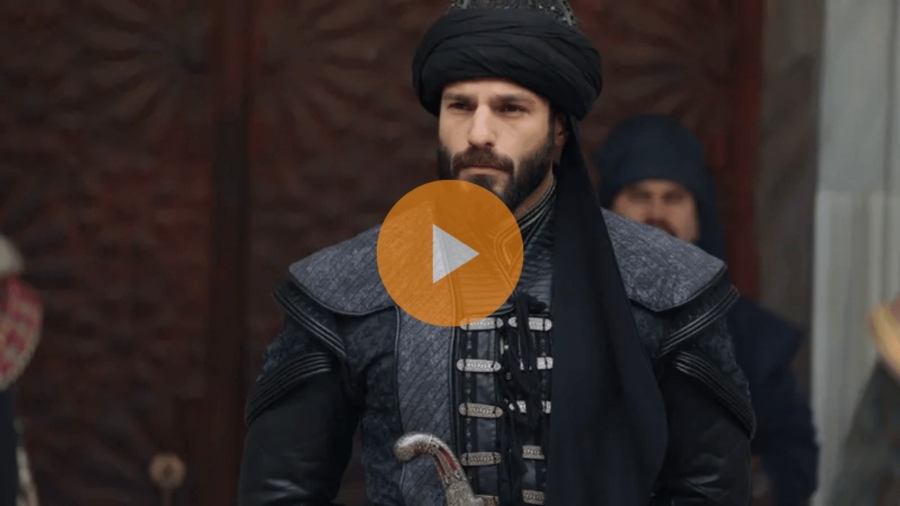
Mehmed Fetihler Sultani Episode 65 In English Subtitles arrives with a tightly wound political chapter rather than a simple action showcase. Anyone searching for Mehmed Fetihler Sultani Boulm 65 In English will find that TRT 1 frames this episode around palace disorder, Bosnia’s appeal for help, Janissary unrest, and a dangerous loyalty test involving Vlad; the broadcaster listed Episode 65 for Tuesday, January 13, 2026.
Series Overview
Mehmed: Fetihler Sultanı is TRT 1’s historical drama centered on Sultan Mehmed II and the political, military, and personal struggles surrounding his reign. TRT 1’s official series page confirms the drama is continuing with new episodes, while IMDb describes the show as following Mehmed’s battles against enemies both inside and outside the palace.
Episode Story Breakdown
A financial shock inside the palace
Episode 65 opens with a financial irregularity in the capital that shakes long protected balances inside the Harem-i Hümayun. Gülşah Hatun’s initiative becomes the heart of the problem, because the issue is no longer about good intentions alone. For Sultan Mehmed, the matter is tied to state order, not private emotion, and that turns a domestic disturbance into a question of governance and trust.
Bosnia sends a human and political message
The episode then widens its scope through Bosna Kralı Stefan’s stepdaughter, Prenses Rose, also known as Çiçek Hatun. She comes to the capital to speak about the suffering of the Bogomil people, and her words push Mehmed toward a decision that is both moral and strategic. The Bosnia plot is compelling because it does not present a clean military problem; it presents a ruler being forced to weigh conscience, diplomacy, and long-term power at once.
The Janissary corps becomes a pressure point
Inside the barracks, the new ocak ağası’s hard and coercive rule creates serious anger among the Janissaries. Discipline enforced through fear begins to look unstable, and the rising resentment makes the corps feel like a second battlefield inside the empire itself. Kurtçu Doğan’s effort to protect his old soldiers raises the stakes further, especially once Sadrazam Mahmud Paşa is drawn into the conflict.
Vlad, Stefan, and Radu complicate the board
Beyond the palace and barracks, Mehmed tests Vlad’s loyalty while the fragile balance between Vlad and Stefan edges toward open danger. Radu’s position adds another unpredictable layer, suggesting that even a carefully managed political game can collapse when one player shifts unexpectedly. That tension gives Episode 65 a wider frontier atmosphere, even when much of the drama is built through conversation and authority rather than battle.
Historical Context
Episode 65 draws on real 15th-century Balkan pressures, even though the series dramatizes private motives and timings for television. Mehmed II ruled from 1451 to 1481 and pushed Ottoman power deeper into southeastern Europe after the 1453 conquest of Constantinople. Bosnia was one of the major frontier questions of that era, and the medieval Bosnian kingdom fell to the Ottomans in 1463. The episode’s Bogomil language also needs nuance: Britannica notes both that Bogomil influence existed in the region and that the Bosnian Church developed as a distinct institution whose exact relationship to Bogomilism remains debated by historians. Vlad III of Wallachia was likewise a real contemporary rival who clashed sharply with Mehmed II, especially during the 1462 campaign. So the episode’s palace debates and emotional confrontations are fictionalized, but the broader pressures behind them come from genuine historical conflict.
Cast & Characters
- Serkan Çayoğlu — Sultan Mehmed: the ruler forced to treat palace instability as a matter of imperial order.
- Sinan Albayrak — Zağanos Paşa: one of the key military-political figures in Mehmed’s circle.
- Sena Çakır — Gülşah Hatun: a key palace figure whose actions set off the episode’s internal crisis.
- Merve Uçer — Çiçek Hatun / Prenses Rose: the Bosnian royal voice carrying the Bogomil appeal into the capital.
- Deniz Hamzaoğlu — Yeniçeri Ağası: a newly introduced military authority whose severe approach fuels unrest in the corps.
- Ali Sinan Demir — Kurtçu Doğan: the experienced soldier who steps in when barracks tensions turn dangerous.
- Ertuğrul Postoğlu — İshak Paşa: one of the established state figures in the series’ court-and-command world.
Direction & Performances
Based on the official outline, Episode 65 is designed around institutions under strain: the harem, the Janissary corps, and the diplomatic frontier. That structure should give the cast room for controlled, dialogue-heavy confrontations instead of relying only on battlefield spectacle. Mehmed stands at the center as a judge of order, while Gülşah Hatun, Çiçek Hatun, Kurtçu Doğan, and the new military leadership carry the emotional friction around him.
Why This Episode Matters
This episode matters because it brings several kinds of authority into conflict at the same time. Household management becomes a state problem, Bosnia becomes both a humanitarian and strategic question, and military discipline begins to threaten internal cohesion. That combination gives Episode 65 more weight than a routine transition chapter, because every storyline is really asking the same question: who can still be trusted when power starts slipping between institutions?
Where to Watch
The official starting point is TRT 1’s series page and Episode 65 page, and TRT’s show pages also point viewers toward tabii through the network’s official site. If you are searching with community-reference terms like Kayifamilytv, Turkish123, Kurulusorhan.co.uk, or osmanonline, treat those as search labels rather than proof of current subtitle rights or licensed availability in your region.
Final Thoughts
Episode 65 looks strong because its tension comes from structure, not noise. The palace is unstable, Bosnia is calling for action, the Janissary corps is restless, and Vlad’s place on the board is no longer secure. That gives the episode a layered historical drama feel, where one decision inside the court can reshape everything beyond it.

Add a Comment